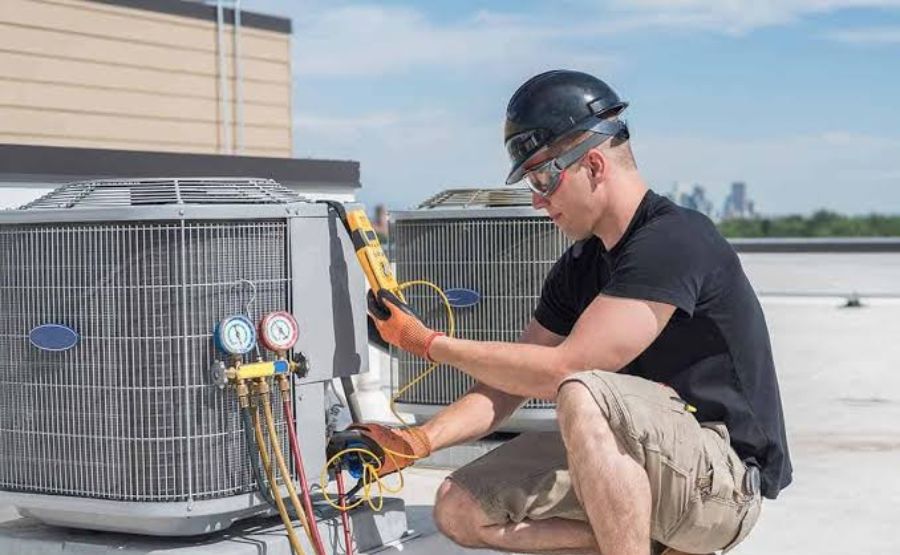
Heating and cooling systems influence everyday comfort, indoor air quality, and household energy consumption. When equipment begins malfunctioning or indoor temperatures become inconsistent, finding qualified technical assistance becomes an important priority. Choosing an experienced HVAC contractor helps homeowners address these concerns through proper system evaluation and informed recommendations.
However, not every heating and cooling issue requires equipment replacement. Sometimes, restricted airflow, thermostat problems, or neglected maintenance causes the difficulty. Understanding what to expect from a contractor makes the selection process easier.
What Does an HVAC Contractor Actually Do?
An HVAC contractor works with heating, ventilation, and air conditioning systems in residential and commercial properties.
Their responsibilities may include assessing system performance, identifying mechanical problems, evaluating ventilation, and ensuring equipment operates according to applicable safety requirements.
Heating System Evaluation
Heating equipment must distribute warmth effectively while operating safely.
A qualified HVAC contractor examines airflow, electrical components, controls, and other relevant system elements to identify potential problems.
For combustion-based heating equipment, appropriate safety checks are particularly important.
Cooling and Ventilation Assessment
Cooling performance depends on more than equipment capacity.
Airflow restrictions, insulation deficiencies, and poorly configured ventilation can contribute to uncomfortable indoor conditions.
Contractors evaluate these factors to determine whether adjustments, maintenance, or more extensive work is necessary.
Five Qualities Worth Looking for in a Contractor
Selecting an HVAC contractor involves evaluating technical qualifications and professional practices rather than relying solely on availability.
1. Appropriate Licensing and Qualifications
Heating and cooling work can involve electrical systems, refrigerants, and fuel connections.
Homeowners should confirm that the contractor holds the qualifications required for the work and jurisdiction involved.
2. Experience With Different System Configurations
Properties may contain ducted systems, ductless equipment, heat pumps, or conventional heating arrangements.
An HVAC contractor familiar with different configurations can better evaluate the advantages and limitations of each approach.
3. Clear Communication
Technical explanations should be understandable.
A dependable contractor explains identified problems, discusses available options, and outlines the reasoning behind recommended work.
Homeowners should feel comfortable asking questions before approving major changes.
4. Attention to Safety
Professional heating and cooling work requires careful attention to electrical safety, ventilation, and equipment specifications.
Contractors should follow applicable codes and manufacturer requirements while completing technical tasks.
5. Thorough System Testing
Installation or maintenance work should not end without confirming that the equipment operates correctly.
Testing may include checking airflow, controls, temperature differences, and relevant safety mechanisms.
Questions to Ask Before Making a Decision
A short conversation can reveal important information about a contractor’s approach.
Ask how they diagnose equipment problems, whether they assess the entire heating and cooling system, and what testing they perform after completing work.
It is also useful to understand how they document findings and explain maintenance requirements.
An experienced HVAC contractor should be able to describe the proposed process without relying on confusing technical language.
Why System-Wide Evaluation Matters
One of the most important responsibilities of an HVAC contractor is identifying underlying causes rather than addressing symptoms alone.
For example, a room that remains unusually warm may have insufficient airflow, excessive solar heat gain, or poorly balanced ductwork.
Replacing equipment without examining these conditions might not resolve the discomfort.
Similarly, frequent system cycling may result from control problems, incorrect equipment sizing, or airflow restrictions.
A comprehensive assessment helps distinguish between these possibilities.
The Role of Preventive Maintenance
Routine inspections can support equipment reliability and help identify developing problems.
An HVAC contractor may inspect electrical connections, assess airflow, examine mechanical components, and review overall operating conditions.
Homeowners can complement these inspections by replacing filters when needed and keeping vents unobstructed.
Those researching professional assistance can explore local HVAC expertise and guidance to better understand available technical support.
Conclusion
Choosing the right HVAC contractor involves more than finding someone who can respond to an immediate heating or cooling concern. Technical qualifications, communication, safety practices, and diagnostic experience all contribute to dependable results. Homeowners who ask informed questions and prioritize comprehensive system evaluations are better positioned to make suitable decisions. A knowledgeable contractor can help improve indoor comfort, identify efficiency concerns, and support reliable equipment operation through appropriate maintenance and careful technical assessment.