An unexpected power outage can disrupt far more than household lighting. Refrigerators stop running, internet connections disappear, and everyday routines become difficult to maintain. Choosing emergency backup power requires a different approach from buying equipment for occasional outdoor activities. You need to understand which appliances matter most, how much electricity they consume, and how long you may need to operate them. A suitable backup solution should match your household’s actual priorities and provide a practical response when electricity becomes unavailable.
Start With Your Household’s Actual Backup Requirements
Think Beyond the Number of Appliances
A useful emergency backup plan begins with identifying which household activities must continue during an outage. Keeping food fresh, maintaining communication, charging essential electronics, and providing adequate lighting are common priorities. However, not every appliance needs to operate simultaneously. Consider how your household functions throughout the day and which electrical devices support its most important routines. For example, a refrigerator and Wi-Fi router may need continuous or regular operation, while a microwave might only be necessary for short periods. Separating essential equipment from occasional conveniences gives you a clearer picture of your actual electricity requirements. It also helps determine which devices should receive priority when stored energy becomes limited. Rather than trying to reproduce normal household electricity consumption, focus on maintaining the activities that matter most.
Calculate How Much Energy Your Essentials Consume
Once you have identified your priority appliances, examine their power ratings and estimated operating hours. Wattage indicates how much power a device requires while running, whereas watt-hours describe the energy it consumes over time. Multiplying an appliance’s wattage by its operating hours provides a basic estimate of its energy requirements. For instance, a 100W appliance operating for five hours consumes approximately 500Wh. Repeat this calculation for your essential devices to estimate the total energy needed during an outage. Remember that refrigerators and other cycling appliances do not necessarily consume their rated running power continuously. Their actual consumption depends on operating conditions and usage patterns. When estimating backup duration, this distinction is important. A realistic energy calculation provides a much stronger basis for comparing battery capacities than relying on headline figures alone.
Match Output Capacity to Simultaneous Demand
Battery capacity does not tell you everything about what a backup unit can operate. Output capacity determines how much power it can deliver to connected appliances at a given time. This becomes particularly important when several devices need electricity simultaneously. A refrigerator, microwave, electric kettle, and other household equipment can create a substantial combined demand. Check their rated wattages and identify which appliances might operate together during an outage. Pay attention to startup requirements for equipment containing motors or compressors as well. Your backup solution needs to accommodate the actual operating demands, not simply the average consumption of your household. If your priorities include several higher-power appliances, a greater output rating provides more flexibility in deciding which devices can run together.
Evaluate the Features That Make Backup More Practical
Consider How Long You Need to Stay Independent
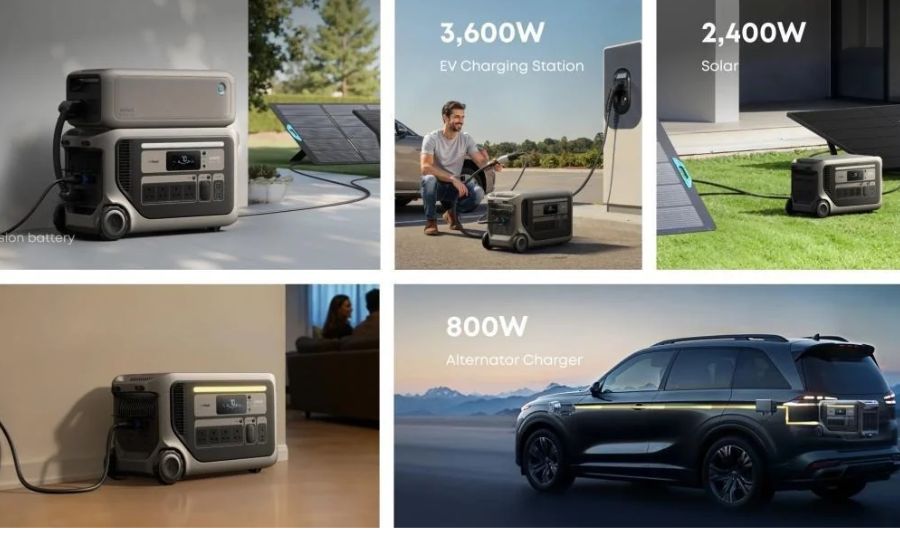
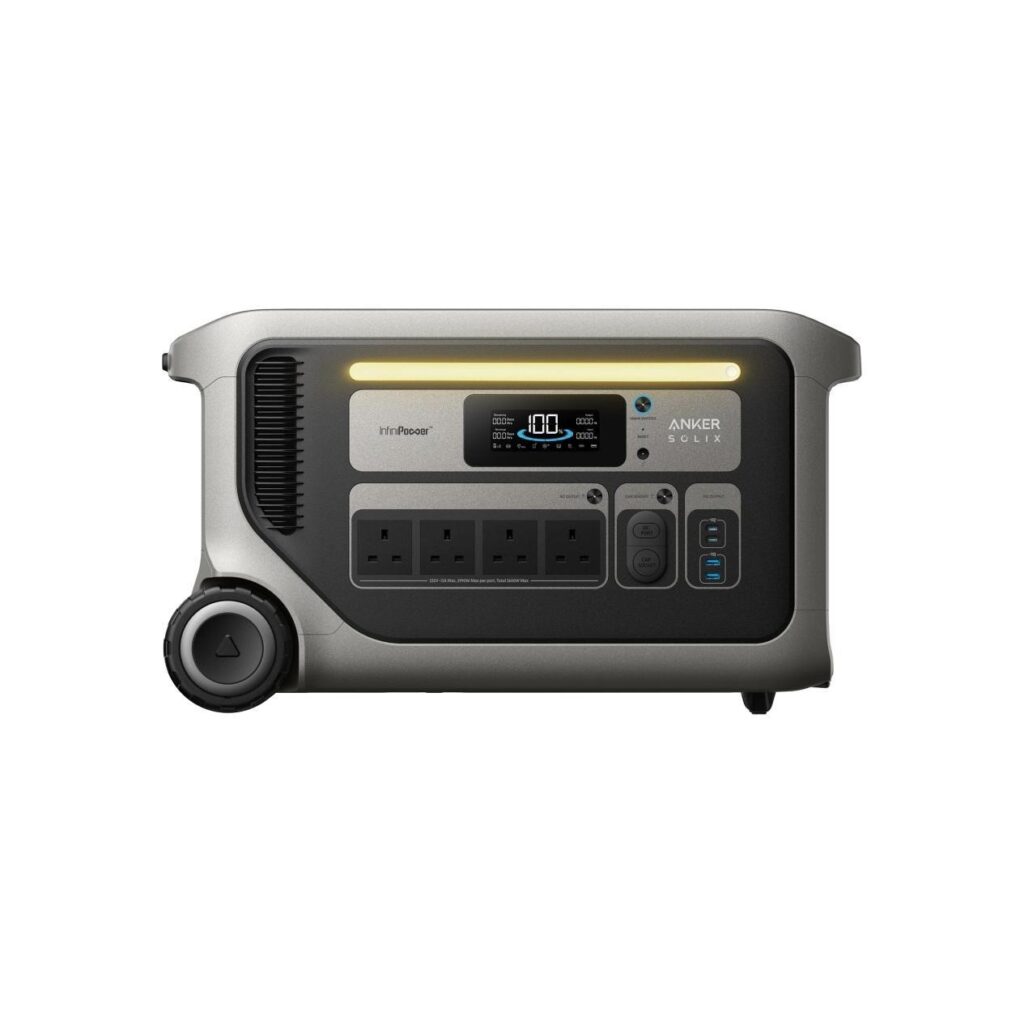
The required backup duration depends on your local outage patterns, household size, and access to alternative electricity sources. A few hours of coverage may be sufficient for a brief interruption, while severe weather or infrastructure problems may require preparation for several days. This is where expandable battery capacity becomes particularly useful. Instead of selecting a fixed energy reserve without considering future needs, look at whether the system supports additional battery storage. The power station – Anker SOLIX F3000 offers 3,072Wh of battery capacity, with expandable capacity from 3kWh to 12kWh. Its 3,600W output also supports several essential appliances operating together. For households preparing for extended interruptions, this combination offers a flexible starting point for planning backup coverage around actual consumption rather than assuming every emergency will last the same amount of time.
Plan for Recharging When the Grid Is Unavailable
A backup battery provides stored electricity, but an extended outage eventually raises another question: how will you replenish that energy? Households should consider available charging sources before choosing their equipment. AC charging is convenient when electricity is available, while solar charging provides another option when the grid is unavailable. The ability to work with different solar panel configurations also matters, particularly for households with outdoor space or existing portable panels. The Anker SOLIX F3000 supports up to 2,400W of solar input through its 165V and 60V connections and accommodates both portable and rigid solar panels. It also supports AC recharging and alternator charging.
Look at Readiness, Battery Life, and Everyday Management
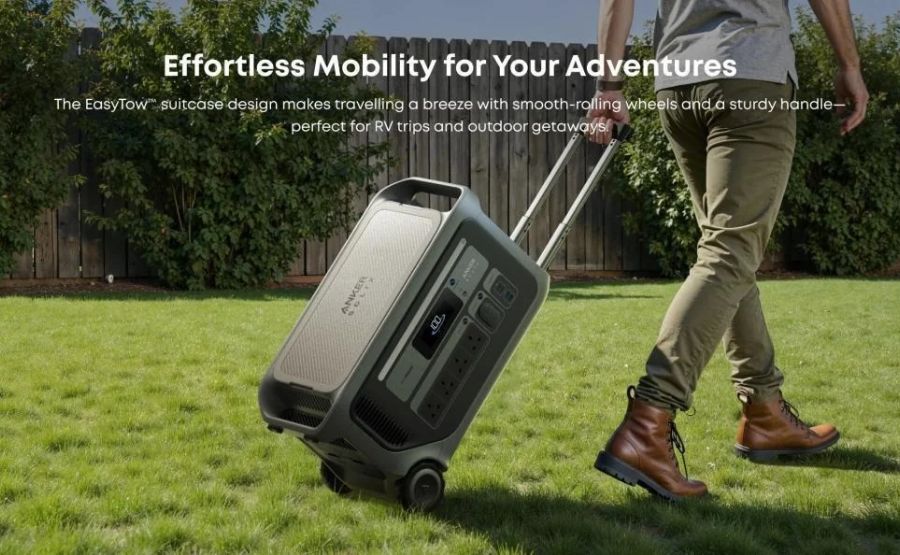
Emergency equipment should remain practical even when an outage never happens. Consider how easily you can monitor its condition, move it when necessary, and keep it ready for unexpected interruptions. For sensitive electronics and important data equipment, an uninterrupted power supply function is another useful consideration. A fast switchover helps maintain power when the regular electricity supply is interrupted. Battery longevity also deserves attention because backup equipment represents a long-term household investment. The Anker SOLIX F3000 features a 4,000-cycle LFP battery with a stated 10-year lifespan and a 20 ms UPS switchover. Its EasyTow™ suitcase design combines smooth-rolling wheels with a sturdy handle, while Bluetooth connectivity provides access to battery life, charging time, and customizable power usage.
Conclusion
Choosing emergency backup power is ultimately about maintaining the household activities that matter most. Start with essential appliances, calculate their energy requirements, and match battery capacity and output to your expected usage. Then consider how you will recharge the system and keep it ready over time. A well-planned solution should provide more than stored electricity. It should give your household a practical way to maintain essential routines when the regular power supply is interrupted.