Deciding when to replace or upgrade your backup power equipment is not simply a matter of counting years. Your electricity needs may change long before the battery reaches the end of its service life. A setup that once supported weekend camping might eventually need to power household appliances or a home office. The better approach is to evaluate how your current equipment performs against your present requirements. Several practical indicators can tell you when it is time to reconsider your setup.
Recognize When Your Current Power Setup Needs an Upgrade
Your Available Runtime No Longer Matches Your Routine
One of the clearest reasons to review your existing equipment is a noticeable change in how long it powers your regular devices. Start by comparing its current runtime with the figures you recorded when it was new. Use similar appliances and operating conditions to make the comparison meaningful. If your laptop, refrigerator, or lighting system now requires more frequent recharging, investigate whether battery capacity, consumption patterns, or operating conditions explain the difference. Also consider whether your daily routine has become more electricity-intensive. Working remotely, adding household electronics, or spending longer periods outdoors can all increase energy requirements. An upgrade becomes worth considering when your existing setup consistently falls short of the runtime you actually need, even when you manage consumption carefully.
New Appliances Have Changed Your Power Requirements
Your original equipment may have been selected for a relatively simple combination of devices. Over time, however, you might add a coffee maker, electric cooking equipment, additional monitors, or power tools. These changes affect both the total energy you consume and the amount of power required at one time. Check the rated wattage of your newer appliances and compare their combined demand with your existing equipment’s output rating. Pay particular attention to startup requirements for devices containing motors or compressors. If your current setup no longer accommodates the combinations of appliances you regularly use, consider upgrading to a higher-output system. The decision should reflect the equipment you genuinely intend to operate, rather than an assumption that every household needs the largest available capacity.
Charging Habits Have Become More Demanding
Your charging arrangements can also indicate when your setup needs reconsideration. Perhaps you originally relied on household AC charging but now spend longer periods at campsites, remote properties, or outdoor work locations. Your energy system needs to match these changing environments. Review the available charging methods, supported input power, and compatibility with your existing solar panels or other energy sources. A setup that supports multiple charging approaches offers greater flexibility when your routine changes. Consider how frequently you need to replenish stored energy and whether your current charging arrangement fits your schedule. If you regularly plan activities around charging availability, a system with broader input options may provide a more convenient foundation for your next stage of use.
Make an Upgrade That Supports Your Future Needs
Choose Expandable Capacity Instead of Planning Only for Today
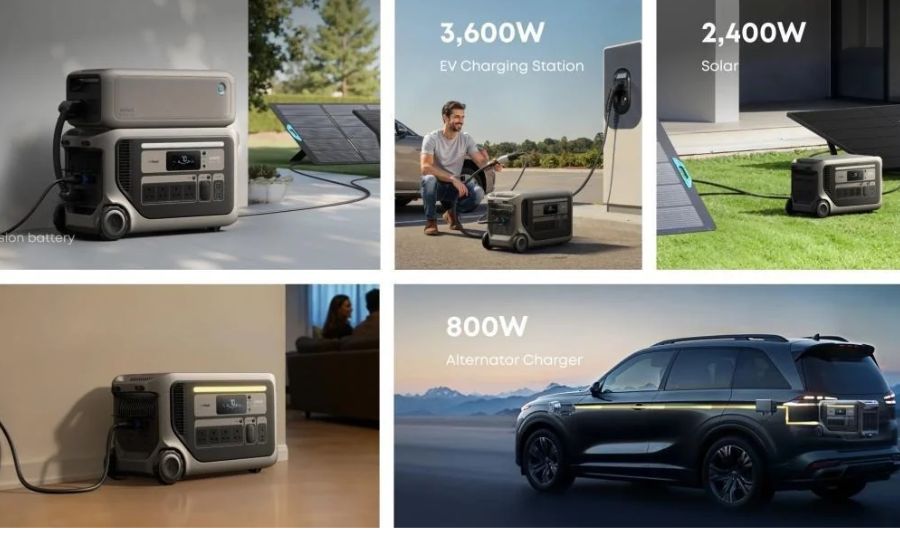
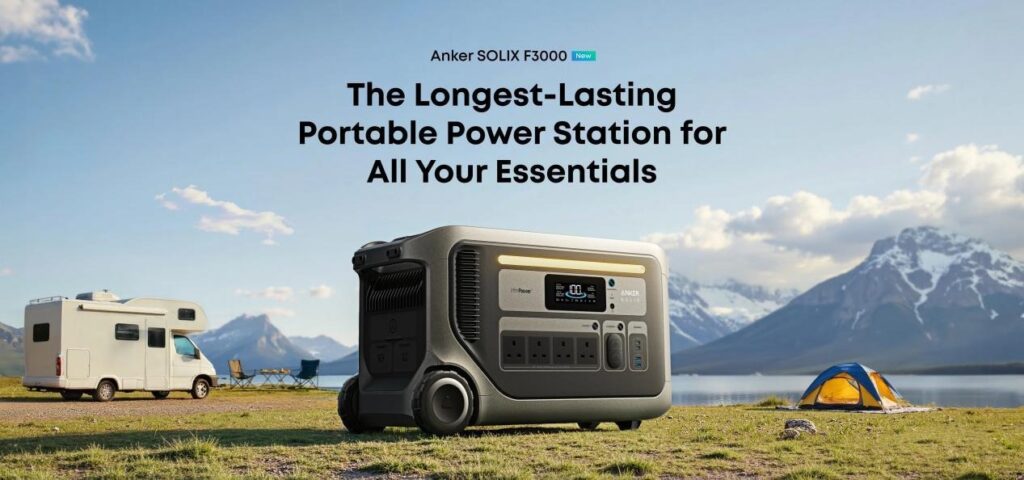
An upgrade does not always mean replacing everything with a completely different setup. Expandable battery capacity offers another way to accommodate changing electricity requirements. This is particularly useful when your needs develop gradually. You might initially require enough energy for a refrigerator and basic electronics, then later want to support additional household appliances or longer outdoor trips. The Anker SOLIX F3000 Portable Power Station illustrates this approach with its 3,072Wh starting capacity and expandable storage from 3kWh to 12kWh. Its 3,600W output also supports several essential appliances simultaneously. This makes it relevant for users planning a transition from basic portable electricity to a more substantial backup arrangement. Rather than choosing capacity solely around current consumption, consider how your requirements may develop over the coming years.
Reconsider Battery Technology and Long-Term Ownership
When evaluating the best portable power stations, look beyond the initial battery capacity and examine the battery technology, cycle-life rating, and stated service life. These specifications provide useful information about how the equipment is intended to perform over repeated charging and discharging cycles. Battery chemistry is particularly relevant when you expect to use your equipment regularly for camping, home backup, or outdoor work. LFP batteries are worth considering as part of this assessment. For example, the Anker SOLIX F3000 uses an LFP battery rated for 4,000 cycles, with a stated 10-year lifespan. These figures provide a clearer basis for evaluating long-term ownership than comparing purchase specifications alone. Also consider how frequently you use the equipment and whether its expected service life aligns with your intended applications.
Look for Features That Improve Everyday Operation
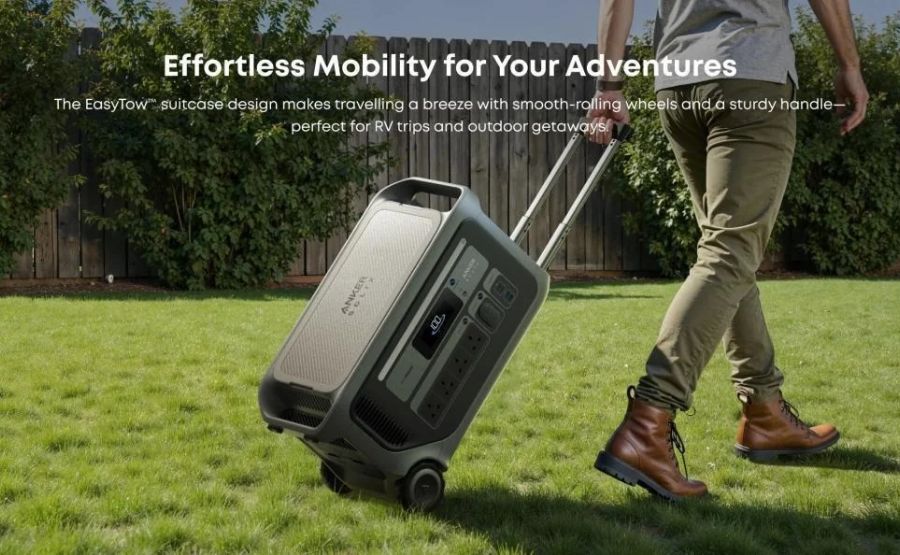
Sometimes the most meaningful reason to upgrade has little to do with battery capacity. Better monitoring, more convenient transportation, and additional operating functions can change how easily you use your equipment. Think about the small tasks involved in everyday operation. Do you want clearer information about remaining battery life? Would easier transportation make it more practical to move between different locations? Do connected appliances require uninterrupted power during a supply interruption? These questions help identify features that genuinely improve your experience. The Anker SOLIX F3000 combines Bluetooth-based energy monitoring, customizable power usage, and a 20 ms UPS switchover. Its EasyTow™ suitcase design also incorporates smooth-rolling wheels and a sturdy handle. Such features become particularly relevant when your expectations extend beyond simply storing electricity.
Conclusion
The right time to replace or upgrade depends on how well your current equipment serves your changing needs. Compare actual runtime, appliance requirements, charging arrangements, and long-term battery specifications before making a decision. An upgrade should address a clear gap in performance or functionality while leaving room for future use. By evaluating the complete energy setup rather than focusing on its age or capacity alone, you can make a more informed investment.