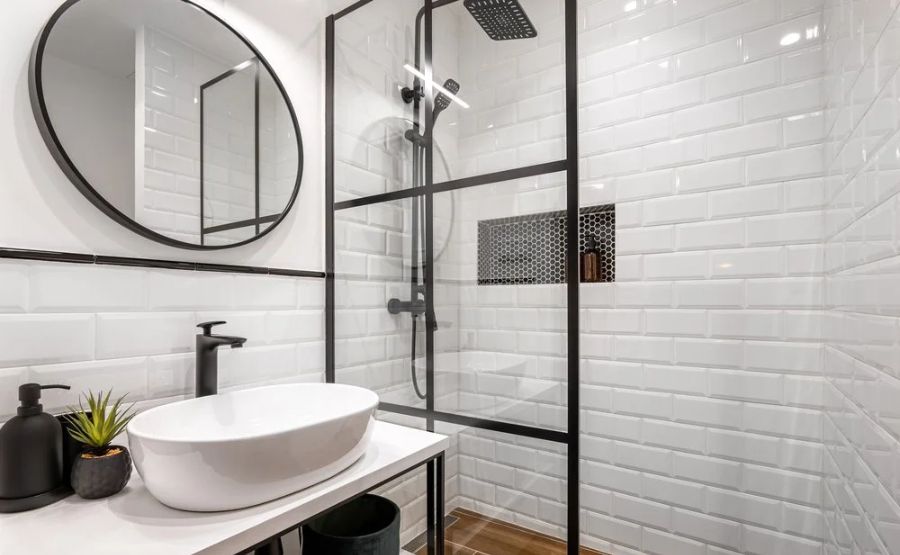
A bathroom should offer comfort, convenience, and a sense of calm. Unfortunately, aging layouts, poor ventilation, limited storage, and worn surfaces can make this important space difficult to enjoy.
Updating a bathroom involves more than choosing attractive colours or replacing outdated fixtures. Every decision affects how the room performs during everyday use.
Understanding what professional bathroom renovation services typically involve helps homeowners prepare for a smoother renovation experience and make informed decisions about their space.
Why Bathroom Planning Matters
Bathrooms combine water, electrical systems, ventilation, and frequently used surfaces within a relatively compact area.
Even small changes can influence comfort, accessibility, and maintenance.
Proper planning helps homeowners identify existing problems and establish realistic expectations before work begins.
Assess the Current Bathroom
Start by examining the layout, storage capacity, ventilation, lighting, and condition of existing surfaces.
Look for persistent dampness, damaged grout, inadequate drainage, or signs of water intrusion.
These observations help determine which improvements require immediate attention.
Define Your Renovation Goals
Some homeowners want a brighter appearance, while others need improved accessibility or more efficient storage.
Establishing clear goals allows bathroom renovation services to focus on meaningful improvements rather than unnecessary changes.
What Does the Renovation Process Include?
Although every project differs, most bathroom updates follow several important stages.
Initial Assessment and Layout Planning
The first stage involves evaluating available space and identifying practical limitations.
Measurements, plumbing locations, ventilation requirements, and structural conditions influence the proposed layout.
Careful assessment helps avoid changes that could create complications later.
Preparation and Removal
Before new finishes are installed, existing elements may need to be removed.
During this stage, concealed moisture damage or deteriorated surfaces may become visible.
Addressing these concerns before continuing is essential for achieving durable results.
Installation and Finishing
Installation work may involve plumbing adjustments, electrical improvements, waterproofing, ventilation, flooring, and wall finishes.
The exact sequence depends on the project scope.
Quality workmanship and appropriate installation methods are particularly important in moisture-prone areas.
Important Features to Consider
The most comfortable bathrooms balance appearance with everyday practicality.
Effective Ventilation
Moisture can accumulate quickly during bathing and showering.
Suitable ventilation helps reduce condensation and supports healthier indoor conditions.
Homeowners should consider ventilation requirements early rather than treating them as an afterthought.
Safe and Comfortable Flooring
Bathroom flooring should provide appropriate slip resistance and withstand frequent exposure to moisture.
Cleaning requirements, surface texture, and durability are important considerations.
Accessible Storage
Well-positioned storage reduces clutter and keeps daily essentials within reach.
Recessed shelving, vertical storage, and thoughtfully arranged cabinets can improve organization without making the room feel crowded.
How to Evaluate Bathroom Renovation Services
Choosing the right approach requires more than reviewing visual design ideas.
Homeowners should understand how renovation work will be organized and what responsibilities are involved.
Ask About Project Planning
Discuss the proposed work sequence, expected disruption, material suitability, and potential structural concerns.
Clear communication helps establish expectations before the renovation begins.
Understand Waterproofing Requirements
Waterproofing is among the most important aspects of bathroom construction.
Ask how wet areas will be prepared, protected, and inspected.
Appropriate waterproofing methods depend on the room’s construction and applicable building requirements.
Review Relevant Experience
Experience with similar layouts and renovation challenges can be valuable.
Homeowners can explore local bathroom renovation expertise when researching available options and planning requirements.
Mistakes Homeowners Should Avoid
Choosing finishes before verifying the layout is a common error.
Another is overlooking ventilation or assuming that visible surfaces reveal every underlying problem.
Inadequate lighting can also make daily grooming activities less comfortable.
When considering bathroom renovation services, prioritize essential functional improvements before decorative details.
Preparing for a Smooth Renovation
Remove personal belongings from the bathroom before work begins.
Identify alternative washing arrangements if the room will be temporarily unavailable.
Keep communication clear regarding access, scheduling, and unexpected findings.
Preparation reduces inconvenience and allows work to proceed more efficiently.
Conclusion
A successful bathroom transformation depends on thoughtful preparation, practical design, and careful attention to moisture protection. Understanding the stages of renovation helps homeowners recognize important decisions and avoid common planning mistakes.
Well-organized bathroom renovation services can support improvements in comfort, accessibility, storage, and everyday usability. By focusing on long-term performance rather than appearance alone, homeowners can create a bathroom that feels welcoming, functions efficiently, and remains easier to maintain for years to come.


