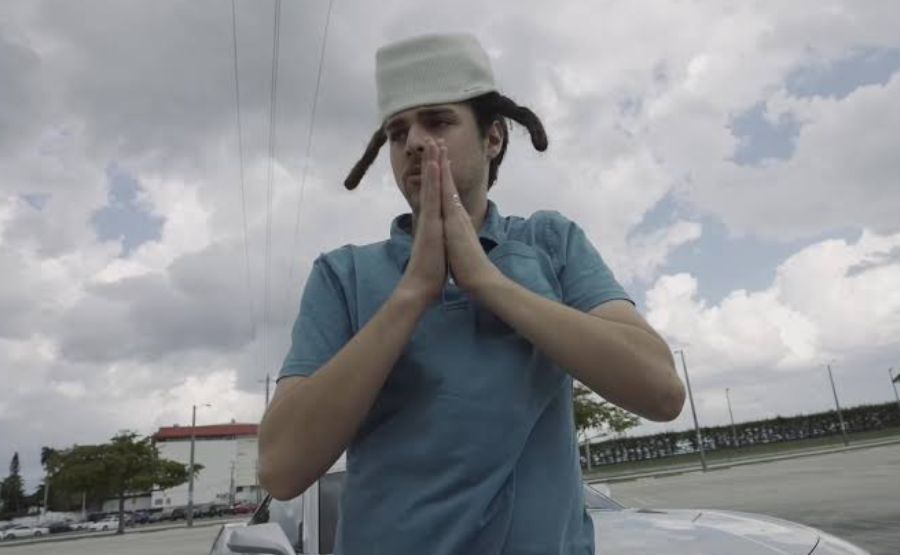
Jew Sheisty: The Underground Jewish Rapper Who Changed Florida Rap From the Inside
Quick Bio
| Detail | Info | |
| Full Name | Michael Joshua Cook | |
| Stage Names | Jew Sheisty; MikeCookBurst | |
| Born | August 16, 1990, Florida, USA | |
| Died | August 27, 2022 (age 32) | |
| Nationality | American | |
| Occupation | Rapper, musician | |
| Religion | Jewish | |
| Known For | Underground Florida rap; founding the Dreidel Gang collective; mentoring BLP Kosher; “Burnt Nazis” viral video; collaborations with YNW Melly, Ruben Slikk | |
| Home Base | Sunrise / Broward County, Florida | |
| Notable Collaborators | BLP Kosher, YNW Melly, Ruben Slikk, Mike Jones, Black Dave, Diego Money | |
| Career Active | 2012–2022 | |
| Legacy | Credited with launching BLP Kosher’s career and giving him his stage name |
Introduction: The Man Who Lit the Fuse He Never Got to See Explode
There is a particular kind of person in underground music who everybody in the scene knows, who has been grinding for years before most people figure out what they are doing, who influences the people around them in ways that only become visible after they are gone.
Michael Joshua Cook — known to the world as Jew Sheisty — was that kind of person.
He was a Jewish rapper from Broward County, Florida, who spent a decade building something original in one of the most distinctively voiced rap scenes in the country. He blended drill and trap beats with lyrics that reflected genuinely lived experience — the streets of South Florida, Jewish identity, spiritual searching, loss, and resilience. He was covered in tattoos. He considered himself religious, just not in any way a textbook would recognize. He was the kind of man who would go in and out of jail and still talk about wanting to have a Bar Mitzvah.
He died on August 27, 2022, at thirty-two years old. The cause was never publicly disclosed.
But before he left, he did something that would echo long after his own music had time to catch on: he found a young man from Deerfield Beach who was rapping halfheartedly as a joke, told him he was genuinely talented, gave him a name, and convinced him to take music seriously. That young man was Benjamin Landy Pavlon — now known globally as BLP Kosher.
Jew Sheisty’s story is the story of underground art, Jewish identity in an unexpected corner of hip-hop, personal tragedy, and the specific kind of legacy that belongs to people who make others great.
See also “Sunny Black: Inside the Life and Career Behind the Name“
Early Life: Broward County and a Life That Was Never Simple
Michael Joshua Cook grew up in Sunrise, Florida, part of the sprawling Broward County region that sits just north of Miami and has produced some of the most distinctive voices in Florida rap — a scene known for raw emotional honesty, street-level storytelling, and an authenticity that has repeatedly reshaped mainstream hip-hop from the inside out.
The specific details of his family background beyond what he shared through his music and the people who knew him are not extensively documented. What the available record makes clear is that his life contained real hardship from relatively early on. He navigated the particular complexity of being Jewish and navigating street life simultaneously — an identity combination that most outsiders would not have predicted, and that he wore with both pride and friction.
His Jewish faith was not inherited as a comfortable cultural tradition and then quietly set aside as he got older. It was something he lived with actively, if unconventionally. He was tattooed and foul-mouthed and spent time in jail. He also genuinely believed. BLP Kosher, who became his closest artistic collaborator in the final years of his life, described Sheisty’s desire to have a Bar Mitzvah even while navigating the chaos of his personal circumstances — the aspiration of a man who understood that spiritual identity and lived circumstances do not always line up neatly, and who held both without pretending either away.
Florida shaped him in the ways it shapes the people who grow up inside its particular combination of heat, hustle, and creative intensity. The Broward County rap scene was not waiting for anyone’s permission to be great.
Education: The Streets and the Scene as the Real Curriculum
The specific details of Jew Sheisty’s formal education are not part of the public record. What his music and his life suggest is someone who learned through experience rather than through institutions — the kind of education that leaves marks more permanent than any transcript.
He was functionally educated by Broward County itself: by the people he ran with, the music he absorbed from the South Florida scene, the experiences he lived through and processed in lyrics, and the decade of grinding through underground rap that taught him more about his craft than any program could have.
He started making music around 2012 to 2014 — which means he spent years developing his style before most people outside his immediate circle heard his name. That kind of sustained underground development produces something specific: a fully formed artistic voice that doesn’t need to figure itself out in public.
Career Beginnings: Underground Florida, Ruben Slikk, and Building From Zero
Jew Sheisty began his music career in the early 2010s, operating in the underground Florida rap ecosystem that existed largely beneath the radar of major label attention. His early work earned him connections with Ruben Slikk, an underground legend in Florida rap whose credibility within the scene was real and hard-earned. The connection between them was based on artistic mutual respect — Sheisty was already doing something distinctive enough that someone with Slikk’s standing took notice.
He was releasing music under both the Jew Sheisty and MikeCookBurst names, building a catalog that reflected his worldview: drill beats and trap production carrying lyrics about the specific texture of his life. The spiritual dimension was never separate from the street content in his work — he was not compartmentalizing his Jewish identity into one kind of song and his Broward experiences into another. They were always tangled together, because that was simply who he was.
He performed at Womadon, the underground hip-hop showcase in Florida, and at venues in Miami, Manhattan, and Brooklyn — building a circuit that stretched beyond his home state without losing the regional roots that made his music feel specific and genuine.
The YNW Melly Collaboration: Real Recognition in the Scene
One of the most significant early markers of Jew Sheisty’s standing in the Florida rap ecosystem was his collaboration with YNW Melly on the track “All I Do is Flex.”
YNW Melly — before his own legal troubles became the dominant narrative around his name — was one of the most genuinely innovative young voices to come out of Broward County. His melodic approach and emotional vulnerability in trap music made him a distinctive figure, and his willingness to work with underground artists reflected both confidence in his own taste and recognition of real talent when he heard it.
Getting on a track with YNW Melly was not a small thing in that scene. It was the kind of co-sign that came from genuine artistic recognition rather than industry networking.
Personal Tragedies: Losses That Shaped His Final Years
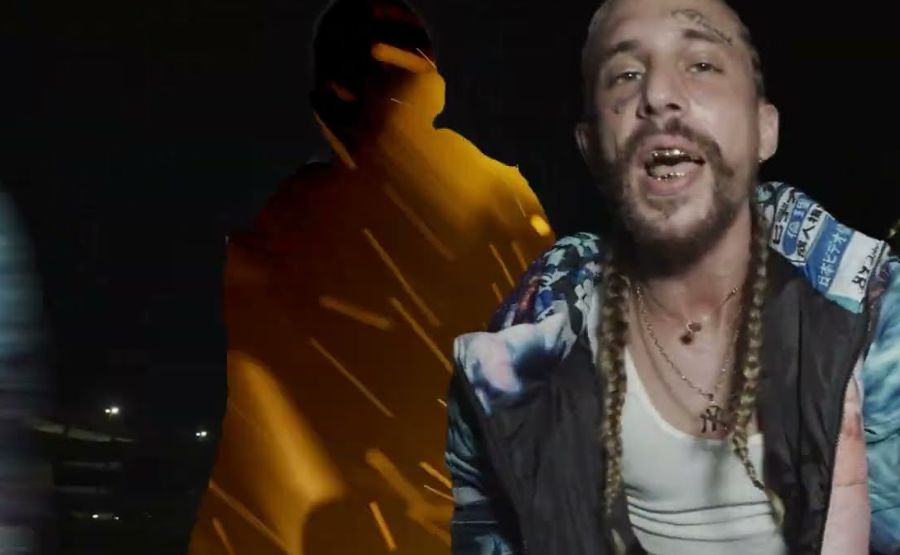
2017 brought one of the most significant losses of Sheisty’s life: his mother died of cancer. The grief of losing a parent to a long illness carries a specific weight — the extended anticipation, the helplessness, and then the absence afterward. He was in his late twenties when it happened, old enough to understand the permanence and young enough that it still shook the foundations.
Then, in 2019, his closest friend and manager Kane Cameron died. Cameron had just gotten out of jail. The loss was sudden and devastating in a different way — not anticipated, not prepared for, just gone.
Both deaths left marks on the music Sheisty made in his final years. He had always been a lyricist who wrote from life rather than from performance, and these losses gave his music a depth of grief that connected with listeners who recognized something true in it.
He kept making music. He kept showing up to performances. He was in and out of legal trouble at various points — a pattern he shared with many artists navigating the specific pressures of street life and musical ambition simultaneously.
Meeting BLP Kosher: The Mentorship That Changed Everything
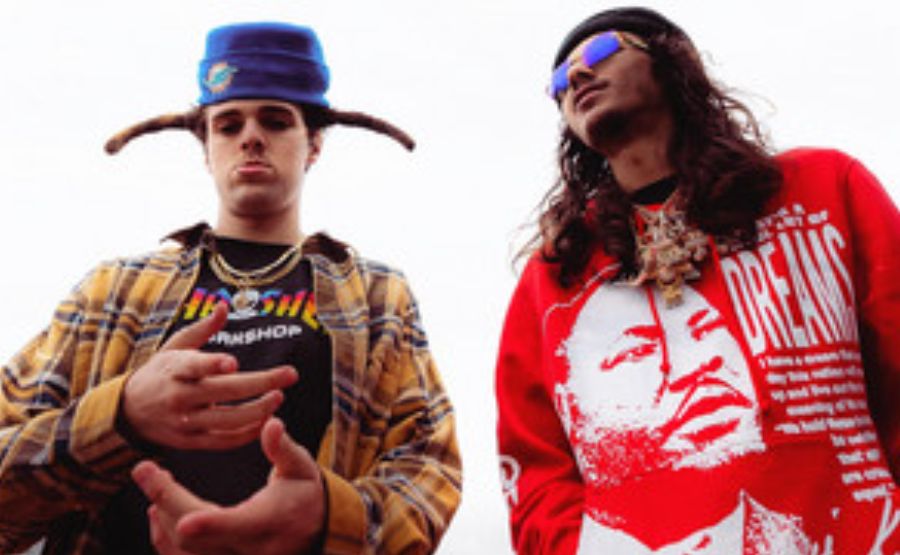
Sometime around 2020, Jew Sheisty met Benjamin Landy Pavlon, a young man from Deerfield Beach who was skating seriously, had been rapping casually as a hobby, and had no particular plan to make music his life.
The connection between them came through their shared Jewish identity and their shared home in Broward County’s creative world. They began spending time together, and Sheisty heard something in Pavlon’s rapping that Pavlon himself was not sure was there. Sheisty told him it was. He pushed him to take it seriously. He told him he had real talent and that it would be a waste not to pursue it.
He also gave him his name. Pavlon had been going by “Luh Kosher” or simply by his initials BLP. Sheisty encouraged him to combine them — BLP Kosher — into the stage identity that would eventually be attached to one of hip-hop’s more genuinely distinct voices.
Together, they recorded and released tracks including “Never Be You,” “Burnt Nazis,” and “Dreidel Twins” — the latter title encapsulating the strange, joyful absurdity of two Jewish Florida rappers building something together that had genuinely never existed before. They formed the Dreidel Gang collective, a creative entity that wore its Jewish identity as loudly as any other aspect of its aesthetic.
“Burnt Nazis” in particular caught attention — its music video circulated widely enough to turn Sheisty into a local celebrity in South Florida, the kind of underground recognition that feels modest in description but is enormous in the lived experience of someone who has been grinding for nearly a decade.
Legacy: What He Built Before He Left
On August 27, 2022 — eleven days after his thirty-second birthday — Michael Joshua Cook died. The cause was never publicly disclosed by his family or those close to him, and that privacy has been respected by the people who loved him.
BLP Kosher has spoken about the weeks and months that followed Sheisty’s death with a combination of grief and clarity. He described a strange experience of things beginning to happen for him musically almost immediately after the loss — as though the universe had shifted the momentum somewhere.
He described Sheisty as the reason he started rapping. Not the inspiration in an abstract motivational sense, but the literal reason — the person who told him he was good when he didn’t believe it himself, who gave him his name, who showed him by example what it looked like to carry Jewish identity into South Florida street rap without apologizing for either dimension.
Kosher’s “Mazel Tron” featuring BabyTron, with its Cole Bennett-directed video crossing four million views on YouTube, and his growing presence in the national hip-hop conversation, are in a direct line from the mentorship Sheisty provided. Kosher has said so repeatedly and without qualification.
Challenges: The Weight of a Hard Life
Jew Sheisty’s life was not easy in any of the ways that matter. He lost his mother. He lost his best friend and manager. He navigated legal trouble. He spent nearly a decade building something underground that the mainstream largely did not acknowledge while he was alive.
The particular challenge of being a Jewish man in Florida rap — a scene not historically associated with Jewish identity as a creative element — was something he turned into a source of energy rather than a liability. He did not soften his identity or bracket it for comfort. He wore it in his name, his lyrics, and his presentation.
He was described by people who knew him as someone who found a way to remain spiritually oriented even when his circumstances were chaotic. The desire for a Bar Mitzvah while moving in and out of incarceration is not a contradiction so much as it is a portrait of someone who understood that spiritual aspiration and messy living can coexist.
Financial Situation: Underground and Honest
Jew Sheisty was an underground rapper. That means he was not accumulating the kind of wealth that mainstream commercial success produces. He was making music that circulated through YouTube, SoundCloud, and word of mouth in the Florida rap community, building an audience one listener at a time.
His financial life was the financial life of an independent artist who had not yet crossed the threshold from underground credibility to mainstream visibility — which is what makes the timing of his death particularly painful. He died just as the work he had been doing was beginning to connect with wider audiences through his partnership with BLP Kosher.
What he built was not a bank account. It was a catalog, a community, and a creative lineage.
Final Words
Here is the honest accounting of what Jew Sheisty left behind.
He made music for nearly a decade that reflected who he actually was — a Jewish man from Broward County, tattooed and street-raised and spiritually searching, with something genuine to say about all of it. He did this without a major label deal, without mainstream coverage, without anyone outside Florida paying much attention.
He found a young skater who was rapping halfheartedly and told him the truth about his potential. He gave him a name. He showed him by example what it looked like to carry Jewish identity in hip-hop with pride rather than apology. And when Sheisty was gone, Kosher carried everything forward — the name Sheisty gave him, the musical approach they developed together, the explicit acknowledgment in interviews and lyrics that none of it would exist without the man who believed in him first.
That is a legacy. It is quiet and specific and does not come with streaming numbers attached. But it is real, and it is already outlasting the circumstances that created it.
Long live Jew Sheisty.
See also “Sunny Black: Inside the Life and Career Behind the Name“
FAQs
1. Who was Jew Sheisty?
Jew Sheisty was an underground Jewish rapper from Sunrise, Broward County, Florida, whose real name was Michael Joshua Cook. He was born on August 16, 1990, and died on August 27, 2022, at the age of 32. He made music from approximately 2012 to 2022, operating primarily in the underground Florida rap ecosystem. He is also known by the name MikeCookBurst.
2. What was Jew Sheisty’s real name?
His real name was Michael Joshua Cook. He used both Jew Sheisty and MikeCookBurst as stage names throughout his career.
3. Was Jew Sheisty actually Jewish?
Yes. His Jewish faith was a genuine and important part of his identity, which he incorporated directly into his stage name and his music. He was not traditionally observant — he was heavily tattooed, used profanity extensively in his lyrics, and spent time in jail at various points — but he consistently identified as Jewish and reportedly wanted to have a Bar Mitzvah. His spirituality was real, even if it defied conventional definition.
4. Describe “Burnt Nazis” and explain its importance.
“Burnt Nazis” was a track Jew Sheisty recorded with BLP Kosher that had a music video go locally viral, helping to establish Sheisty as a recognized name in South Florida’s underground rap community. The song is one of the most well-known examples of the collaboration between the two artists.
5. How did Jew Sheisty and BLP Kosher meet?
They met around 2020 through their shared Jewish identity and their overlapping presence in Broward County’s music scene. Sheisty heard BLP Kosher rapping casually and recognized genuine talent. He encouraged Kosher to pursue music seriously, convinced him he had real ability, and the two became close friends and creative partners.
6. Did Jew Sheisty give BLP Kosher his stage name?
Yes. According to both BLP Kosher and other credible sources, Sheisty played a direct role in Kosher’s stage name. Pavlon had been using “Luh Kosher” and his initials BLP separately. Sheisty encouraged him to combine them into “BLP Kosher” — the name he has used for his entire public career.
7. What is the Dreidel Gang?
Dreidel Gang was a collective formed by Jew Sheisty and BLP Kosher, centered on their shared Jewish identity and their Florida rap sound. The name was both a genuine cultural reference and a statement of pride about their backgrounds. It reflected the unusual creative space the two of them were occupying together.
8. Who were Jew Sheisty’s musical collaborators?
His documented collaborators include underground Florida legend Ruben Slikk, YNW Melly (on the track “All I Do is Flex”), BLP Kosher (“Never Be You,” “Burnt Nazis,” “Dreidel Twins”), Mike Jones, Black Dave, and Diego Money.
9. What personal losses did Jew Sheisty experience during his life?
He lost his mother to cancer in 2017. In 2019, his best friend and manager Kane Cameron died after being released from prison. These losses significantly shaped the emotional depth and personal character of his music in his final years.
10. How did Jew Sheisty die?
He died on August 27, 2022, at the age of 32. The cause of death was never publicly disclosed by his family or people close to him. That privacy has been consistently respected by those who knew him.
11. What is Jew Sheisty’s lasting legacy?
His most visible and documentable legacy is the career of BLP Kosher, whose rise to national recognition in hip-hop traces directly to Sheisty’s mentorship, encouragement, and creative partnership. Kosher has consistently and publicly credited Sheisty as the reason he pursued music, the person who gave him his name, and the foundational influence on his artistic direction. Beyond that direct impact, Sheisty built a decade-long underground catalog that reflected a genuinely original perspective on Jewish identity, Florida street life, and spiritual searching.
12. How does BLP Kosher honor Jew Sheisty’s memory?
Kosher has spoken about Sheisty in essentially every major interview he has given since Sheisty’s death. He references him in lyrics, pays tribute to him publicly whenever given the opportunity, and has described feeling a responsibility to carry the music forward precisely because he understood that Sheisty’s belief in him was the reason he started taking rap seriously. He made it quite apparent when he said, “He’s the reason why I started rapping.”
Explore ideas that elevate your thinking with The Elevate Magazine.