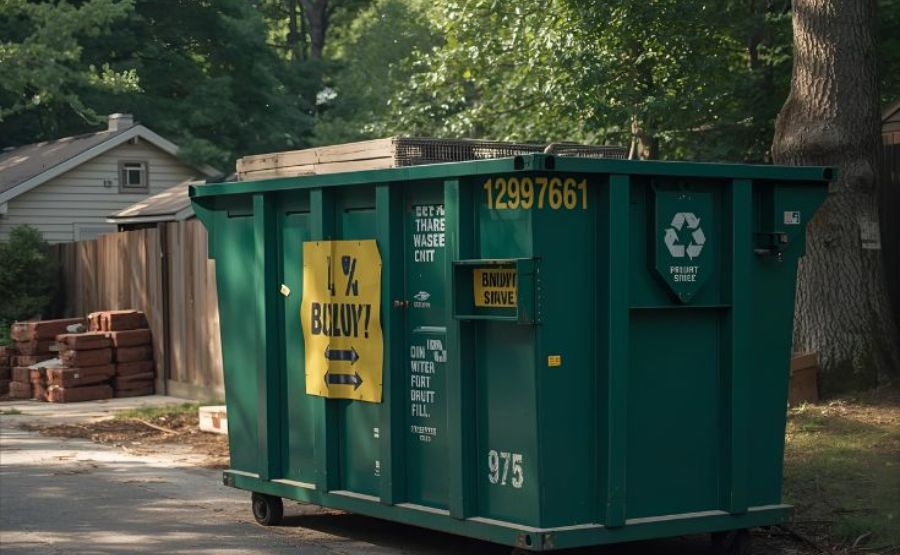
Home improvement projects often begin with excitement, but dealing with leftover materials can quickly become frustrating. Whether you’re clearing out a basement, renovating a kitchen, or preparing a property for new occupants, waste can accumulate faster than expected. Searching for a bin rental near me is a practical first step toward understanding how to handle large amounts of unwanted material without disrupting your schedule.
A well-planned waste removal process helps maintain an organized workspace, reduces unnecessary handling, and makes cleanup more manageable from beginning to end.
Why Waste Planning Matters Before Starting a Project
Many homeowners focus on materials, equipment, and project timelines while overlooking waste management. However, discarded items can occupy valuable space and interfere with daily activities.
Planning ahead allows you to identify the types of waste your project may generate and determine how much space will be necessary for temporary storage.
Identify Your Waste Materials
Different projects produce different types of debris. A basement cleanup may involve cardboard, furniture, and household clutter, while a renovation can produce drywall, wood, flooring, and other construction materials.
Understanding these differences helps you organize materials and avoid mixing items that may require separate disposal procedures.
Estimate the Expected Volume
Waste often appears smaller before materials are dismantled or removed. Cabinets, flooring, and bulky household items can occupy considerable space once collected.
Estimating the volume early helps prevent unnecessary interruptions and makes the overall cleanup process more predictable.
How to Prepare Your Property for a Waste Bin
Proper preparation is important when arranging temporary waste collection.
Start by identifying an accessible area where a container can be positioned without obstructing regular movement. Driveways and other suitable private spaces may work, depending on available clearance and surface conditions.
Check Access and Surrounding Space
Consider overhead branches, parked vehicles, narrow entrances, and nearby structures. These obstacles can affect container placement and accessibility.
A clear approach also helps reduce delays during delivery and collection.
Protect the Surrounding Area
Before positioning a heavy container, inspect the ground for uneven surfaces or vulnerable sections. Appropriate protective measures may help reduce surface damage.
Keep children, pets, and unnecessary equipment away from the designated loading area.
Common Mistakes That Make Waste Removal Difficult
Even straightforward cleanup projects can become complicated without proper organization.
One frequent mistake is waiting until debris has accumulated before deciding how it will be managed. This can create crowded work areas and increase the amount of material that needs to be moved repeatedly.
Another mistake involves placing prohibited materials alongside ordinary debris.
Paint, chemicals, batteries, and certain electronic items may require specialized handling according to local disposal requirements.
Avoid Overfilling the Container
Materials extending above the permitted fill level may create transportation hazards. Heavy debris should also be distributed carefully to maintain stability.
Following loading guidelines helps support safer collection and transportation.
Understanding Local Waste Disposal Considerations
Waste handling requirements can vary by municipality and material type. Residents should review applicable rules before beginning large cleanup projects.
Those researching local waste disposal can use location-based information as a starting point when exploring nearby waste management arrangements.
However, accepted materials, placement requirements, and collection conditions should always be confirmed before loading begins.
Simple Ways to Keep Your Cleanup Organized
An effective cleanup routine does not need to be complicated.
Keep articles meant for disposal and reusable goods apart. Break down appropriate bulky materials when safe, and maintain clear walking paths throughout the project.
Consider assigning a designated area for sorting before materials enter the container.
Work in Manageable Stages
Completing one room or project section at a time helps prevent clutter from spreading.
It also allows you to monitor how much waste is accumulating and adjust your cleanup approach when necessary.
Conclusion
Successful waste management begins with preparation rather than last-minute decisions. Understanding debris types, estimating volume, choosing an accessible placement area, and following disposal requirements can make home projects significantly easier to manage.
With a clear cleanup strategy, homeowners can maintain safer, more organized spaces while concentrating on the improvements that matter most.