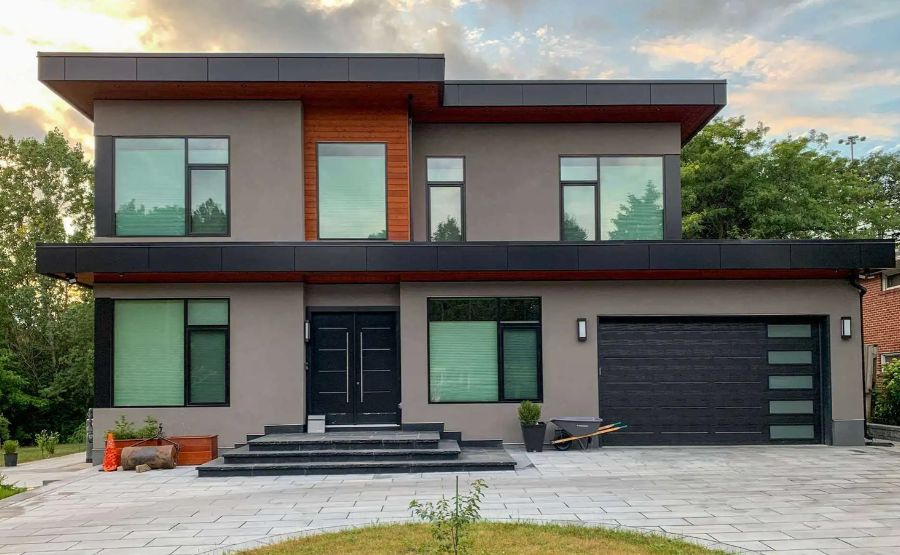
The outside of a structure accomplishes more than just defining its appearance. It must also accommodate environmental exposure, structural movement, and practical maintenance requirements. Architects therefore look for cladding materials that balance design flexibility with dependable performance.
An acm aluminum composite panel offers a practical option for projects requiring smooth surfaces, contemporary styling, and efficient fabrication.
What Makes ACM Panels Different?
Two aluminum face sheets are joined to a core material to form an acm aluminum composite panel. This sandwich-style construction produces a rigid panel without the weight associated with a solid aluminum plate of comparable overall thickness.
The panel’s characteristics depend on several factors, including its core composition, aluminum thickness, coating system, and manufacturing quality.
Different configurations serve different applications, making careful specification essential.
Key Performance Characteristics
Dimensional Stability
Flatness is particularly important when architects design expansive facades.
An acm aluminum composite panel provides a smooth surface that helps create consistent building elevations. Appropriate support spacing and installation details remain necessary to maintain the intended appearance.
Fabrication Flexibility
Architectural projects rarely involve perfectly rectangular surfaces alone.
Corners, recessed areas, curved elements, and decorative patterns often require customized fabrication.
An acm aluminum composite panel can be processed using appropriate cutting, routing, and folding techniques, allowing fabricators to produce various architectural shapes.
Surface Finish Options
Different building concepts require different visual treatments.
Composite panels are available in numerous colors and finishes, allowing architects to coordinate exterior cladding with windows, entrances, and surrounding architectural elements.
Coating selection should consider environmental exposure and anticipated maintenance.
How ACM Panels Improve Facade Design
A facade’s look is influenced by more than just its hue.
Panel dimensions, joint alignment, surface consistency, and installation patterns contribute significantly to the finished result.
An acm aluminum composite panel can support several design approaches.
Minimalist Elevations
Large, uninterrupted surfaces create a clean architectural identity.
Carefully aligned composite panels help achieve this appearance while maintaining the joints needed for thermal movement.
Contrasting Architectural Features
Designers may use different finishes to highlight entrances, distinguish building sections, or introduce visual depth.
Contrasting panels can make simple building forms more engaging without requiring complicated structural changes.
Geometric Facade Patterns
Modern architecture frequently incorporates angular shapes and repeated geometric elements.
Suitable fabrication techniques allow composite panels to contribute to these distinctive exterior treatments.
Installation and Technical Considerations
Successful panel installation begins with accurate measurements and a suitable supporting framework.
Installers must consider panel expansion, fastening arrangements, drainage, and movement between different building components.
An acm aluminum composite panel should never be selected solely on the basis of appearance.
The core material and complete wall assembly must meet applicable fire-safety and building-code requirements.
Wind resistance, weather exposure, and attachment design also require appropriate evaluation.
Maintaining the Finished Appearance
Routine cleaning can help preserve surface appearance and remove accumulated environmental deposits.
Cleaning techniques should adhere to the guidelines provided by the coating manufacturer. Harsh abrasives and unsuitable chemicals may damage protective finishes.
Periodic inspections can identify loose attachments, damaged sealants, or other conditions requiring attention.
Conclusion
An acm aluminum composite panel offers a valuable combination of design freedom, lightweight construction, and consistent surface appearance. These characteristics make it suitable for many contemporary architectural applications, from commercial facades to decorative building features. However, the finished result depends on thoughtful panel selection, proper detailing, and installation quality. When designers address fire safety, structural requirements, environmental exposure, and maintenance during planning, composite panels can contribute to attractive and durable building exteriors.