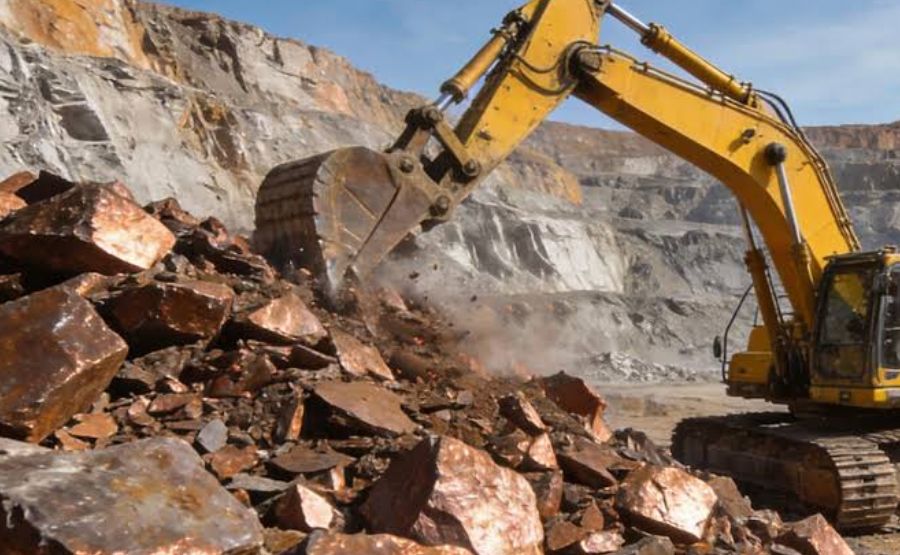
Copper has played an important role in human progress for thousands of years. From early metalworking to advanced electrical infrastructure, its unique properties have made it an essential natural resource. Today, Copper Mining remains a significant industrial activity, supporting infrastructure development, technological advancement, and economic growth.
Understanding how copper is extracted, processed, and managed helps explain why responsible resource development matters.
What Makes Copper Mining Important?
Copper is valued for its electrical conductivity, durability, flexibility, and resistance to corrosion. These characteristics make it useful in electrical systems, transportation infrastructure, construction, and renewable energy technologies.
As societies expand their electrical networks and modernize infrastructure, the demand for copper continues to influence mineral exploration and extraction.
Copper Mining helps provide the raw material needed for these developments. However, successful operations require more than locating mineral deposits. They also depend on careful planning, technical expertise, environmental management, and long-term resource strategies.
Understanding Copper Deposits
Copper occurs naturally in several geological environments. Some deposits form through volcanic activity, while others develop through sedimentary processes or interactions between mineral-rich fluids and surrounding rock.
Geologists examine rock formations, mineral concentrations, and underground structures to identify potentially recoverable deposits.
Detailed geological investigations help determine whether a deposit could support economically and environmentally viable extraction.
How the Copper Mining Process Works
Copper Mining involves several connected stages. Each stage requires specialized equipment, trained professionals, and careful operational oversight.
Exploration and Geological Assessment
Exploration begins with geological mapping, sampling, and geophysical investigations. These activities help specialists understand the location, size, and characteristics of mineralized formations.
When preliminary results justify additional investigation, drilling provides underground samples for detailed analysis.
Mine Planning and Development
Once geological information becomes available, engineers evaluate possible extraction methods.
Mining operations generally use either surface or underground techniques, depending on deposit depth, geological conditions, and other practical considerations.
Mine planning also considers worker safety, water management, transportation, waste handling, and eventual site closure.
Extraction and Mineral Processing
Following development, rock that contains minerals is removed and moved for processing.
Processing methods depend on the mineral composition of the ore. Some operations use crushing, grinding, and flotation to separate valuable copper minerals from surrounding materials.
Other deposits may require different recovery techniques.
The objective is to recover useful minerals efficiently while managing operational impacts.
Environmental Responsibility in Copper Mining
Environmental considerations are an essential part of modern mineral development.
Mining activities can affect land, water, vegetation, and nearby ecosystems. Consequently, responsible planning must identify potential impacts before extraction begins.
Water and Waste Management
Water management systems help control runoff, monitor water quality, and reduce the risk of contamination.
Similarly, waste rock and processing residues require appropriate storage, monitoring, and long-term management.
Effective environmental practices depend on site-specific conditions, regulatory requirements, and continuous evaluation.
Land Rehabilitation
Mine closure planning should begin during the development stage rather than after extraction ends.
Rehabilitation may include reshaping disturbed land, stabilizing exposed materials, restoring vegetation, and monitoring environmental conditions.
These measures help support long-term land stability.
Economic and Community Considerations
Copper Mining can create employment opportunities in engineering, geology, transportation, maintenance, and environmental monitoring.
It may also support regional infrastructure and workforce development.
However, economic benefits must be considered alongside environmental responsibilities and community concerns.
Transparent communication and meaningful public participation can help improve decision-making throughout a mining project’s life.
The Importance of Long-Term Planning
Mining projects often operate across multiple decades, including exploration, construction, extraction, and closure.
Strong planning helps decision-makers evaluate technical challenges, environmental obligations, and changing economic conditions.
This long-term perspective is essential for responsible mineral development.
Conclusion
Copper Mining continues to influence infrastructure, technology, and industrial development. Its importance extends beyond mineral extraction to include geological knowledge, environmental stewardship, and community engagement.
As demand for essential materials evolves, careful planning and responsible practices will remain central to the future of copper resource development.