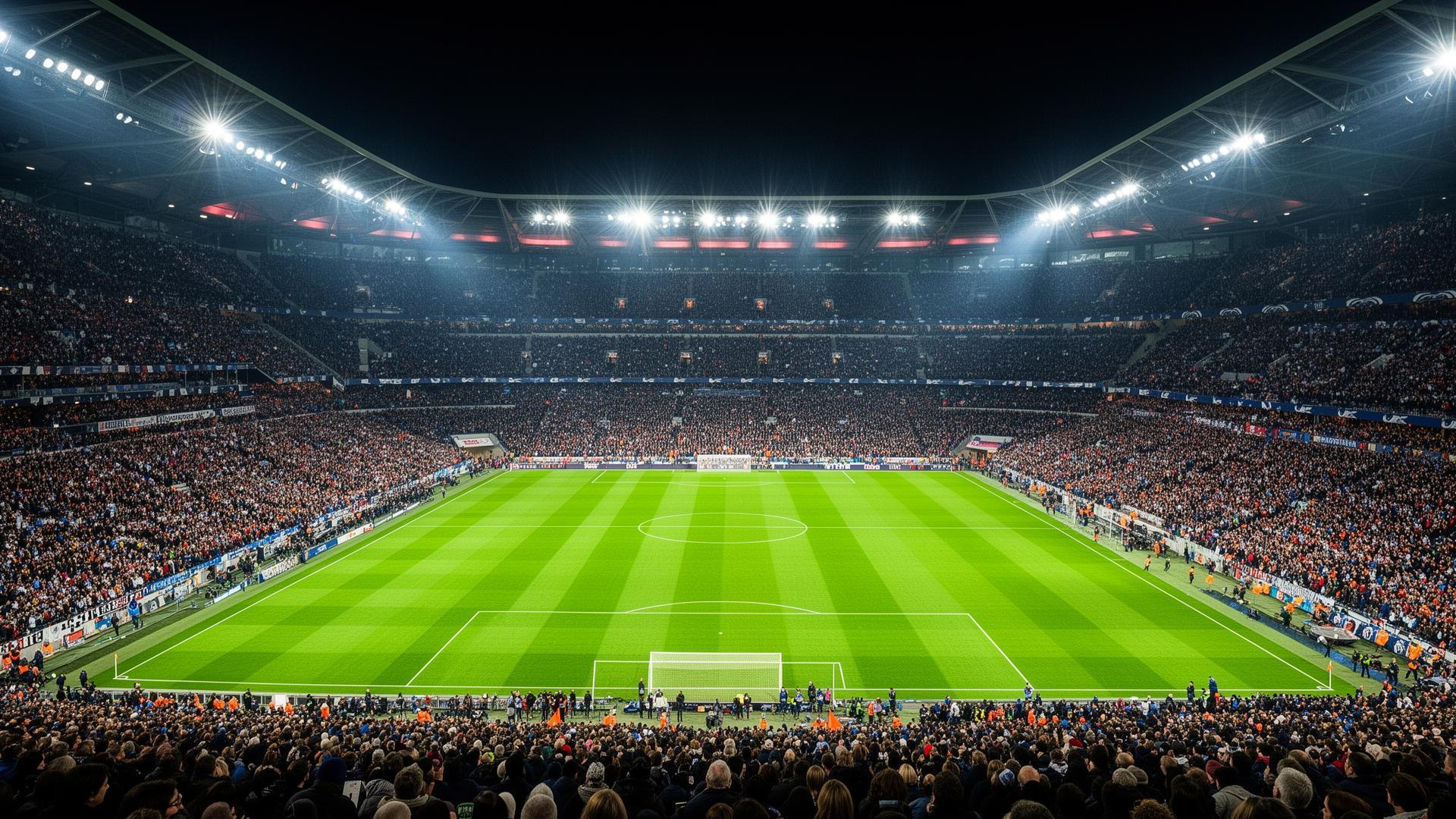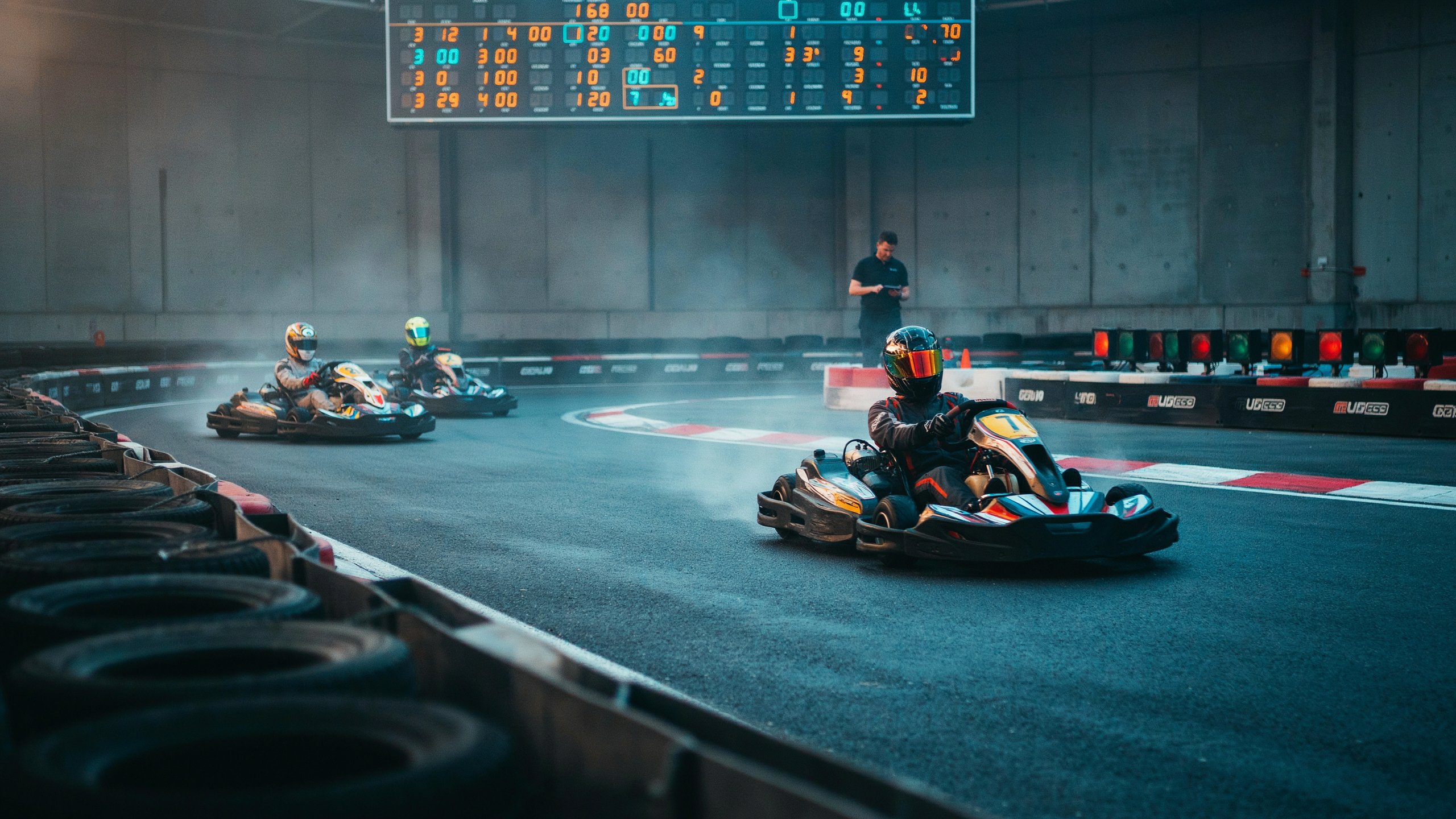
A busy karting venue can look simple from the grandstand: drivers line up, lights go green and a session begins. Behind that scene, operators are managing a fleet of vehicles, a stream of customers with different experience levels, tight session schedules and safety obligations that never pause. As volumes grow, manual methods struggle to keep up, and track owners increasingly rely on race timing software to organise sessions, record lap data and keep every driver informed.
The shift reflects a wider change in motorsport. Technologies once reserved for professional circuits, such as transponder timing, electronic signalling and live scoreboards, have become practical tools for rental centres and club tracks. Understanding what these systems do, and what to look for when adopting them, helps explain why digital innovation has become a core part of running a modern karting facility.
From stopwatches to connected track systems
Early karting operations relied on hand-held stopwatches, paper sheets and staff who tracked laps by eye. That approach is slow and prone to error, particularly when several groups share a track in quick succession. Modern venues use transponders fitted to karts, detection loops or decoders on the circuit, and software that turns each crossing of the line into a lap time, position and gap.
The result is an accurate, continuous picture of a session. Instead of reconstructing results after the event, staff and drivers can see them as they develop, which changes how races are run and how customers experience them.
What timing and management software actually does
The role of a timing platform goes beyond recording laps. In a rental environment, it commonly covers several tasks that would otherwise consume staff time:
- Planning and scheduling races, including the order of groups through the day.
- Supporting arrive-and-drive sessions, where customers race without prior registration.
- Assigning karts to drivers and reassigning them if a vehicle breaks down mid-session.
- Adjusting race parameters, such as duration or lap count, while a session is live.
- Storing race histories and best laps for reports, rankings and repeat visits.
- Producing printed results or automatic emails at the end of each race.
Reliability matters as much as features. Venues often prefer systems that continue to operate locally if an internet connection drops, since a session cannot be postponed because of a network fault.
Digital displays and real-time information
Information is part of the product that a karting centre sells. Video scoreboards, lap counter displays and digital podium screens give drivers and spectators immediate feedback on positions, lap times and remaining laps. Some venues also fit small displays to the steering wheel so that drivers can see their own timing data without looking away from the track.
Real-time data also improves fairness. When results appear instantly and consistently, disputes over positions become less frequent, and customers gain confidence that the outcome reflects what happened on track.
Automation and safety on the circuit
Safety is where integration between software and hardware can have the clearest practical impact. Electronic starting lights, LED flag panels and remote signalling allow staff to control track conditions from a central position. In some installations, automatic speed limitation or remote shutdown functions can slow or stop karts when a yellow flag is shown or an incident occurs.
These tools support marshals rather than replace them. Their value lies in speed and consistency: a signal reaches every kart at once, and the action is recorded. Operators remain responsible for training, supervision and following the safety rules that apply to their track.
Managing the fleet behind the scenes
Smart technology also reaches the garage. Fleet modules can record the hours, races and laps completed by each kart, flag when maintenance is due and track repairs and spare parts. For a venue running dozens of karts, this reduces unplanned downtime and helps ensure that vehicles are inspected on a regular schedule rather than after a failure.
Mobile applications extend the same idea to the circuit. Instead of being tied to a desk, track staff can assign karts, start races and control lights from a smartphone while moving around the venue, which shortens response times during busy periods.
Better service for customers
For drivers, the benefits are easy to notice. Sessions start on time, results are clear and accurate, and personal data such as best laps can be shared by email or kept for later visits. Championship and league functions allow venues to organise recurring events, group drivers by level and publish combined standings. These touches encourage repeat visits and give casual customers a more engaging, competitive experience.
What venues should consider when adopting new systems
Choosing technology is a long-term decision, and a few questions help separate suitable options from unsuitable ones:
- Compatibility: does the software work with the timing hardware and signalling equipment already on site?
- Offline operation: can the system run if the internet connection fails?
- Scalability: will it handle additional karts, tracks or franchise locations as the business grows?
- Support: is technical help available when sessions are running, including weekends?
- Training: how easily can new staff learn the system?
- Data handling: how is customer information stored, and does it follow privacy rules?
Specialist manufacturers have built their offering around these needs. Pixelcom, a Spanish company that supplies timing software, signalling hardware and displays for karting and other motorsport venues, is one example of a provider operating in this segment. Whichever supplier a venue chooses, comparing references from similar tracks and testing the system in real conditions is more reliable than relying on specifications alone.
The direction of travel
Karting remains a hands-on sport, but the way venues are run has changed. Accurate timing, clear displays, automated signalling and fleet monitoring now sit alongside the track and the karts as core assets. For operators, the case for specialised technology is less about novelty than about control: fewer manual errors, safer and more orderly sessions, and a clearer experience for customers. As expectations rise, venues that invest in suitable digital tools are better placed to deliver all three.