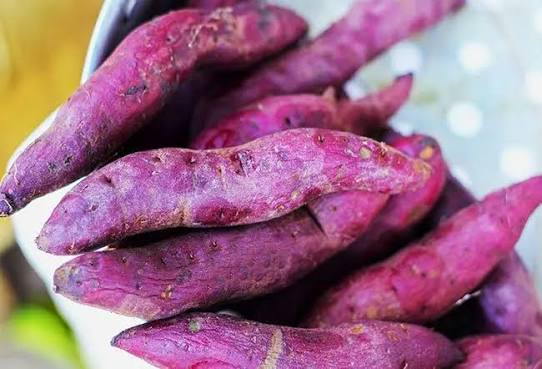
Ube is much more than a colorful ingredient used in Filipino desserts. This naturally purple yam contains carbohydrates, dietary fiber, and plant compounds that make it an interesting addition to a balanced diet. Eating it regularly can contribute to digestive health, provide energy, and increase the variety of plant foods on your plate. Its characteristic purple flesh also contains anthocyanins, pigments studied for their antioxidant properties.
Unlike many fashionable superfoods, ube has a long history as an everyday ingredient. Known scientifically as Dioscorea alata, it is cultivated across tropical regions and particularly appreciated in Southeast Asian cuisine. Its mildly sweet, earthy flavor makes it suitable for both savory meals and desserts. However, the nutritional difference between a serving of boiled purple yam and a sugar-rich ube cake can be considerable.
One of the most appealing aspects of ube is its versatility. It can replace part of the rice, potatoes, or other starchy foods in a meal while bringing additional color and variety. Its combination of complex carbohydrates and fiber can help make meals satisfying. Think of ube as another useful tool in your nutritional toolbox rather than a miracle ingredient capable of transforming your health overnight.
Choosing minimally processed ingredients is particularly important when exploring its benefits. Fresh purple yam or products made from organic ube can be useful options for preparing homemade dishes, provided you check the ingredients and nutritional information. Understanding the differences between natural ube, concentrated powders, and sweetened preparations makes it easier to enjoy this traditional ingredient without overlooking the role of portion sizes, cooking methods, and overall dietary balance.
What makes ube beneficial for your health?
The main health benefits of ube come from its combination of starch, fiber, and naturally occurring plant compounds. Unlike foods that provide calories with very few additional nutrients, purple yam contributes several nutritional components that the body uses for everyday functioning. These benefits are most relevant when ube replaces less nutritious options rather than simply adding extra calories to an already sufficient diet.
A serving of 100 grams of boiled purple yam can provide approximately 77 calories, 18 grams of carbohydrates, and 2.6 grams of dietary fiber, although values vary with the variety and preparation. It also supplies small amounts of vitamin C, B vitamins, and minerals. These figures explain why ube nutrition is primarily associated with carbohydrate energy and fiber rather than exceptionally high vitamin or protein content.
One particularly interesting characteristic is its natural purple pigmentation. Certain varieties contain anthocyanins, a family of polyphenols found in purple fruits and vegetables. Laboratory research has demonstrated antioxidant activity in compounds extracted from purple yam. However, these findings do not establish that eating ube prevents disease or produces specific therapeutic effects in humans.
The nutritional value of ube also depends on how it is prepared. Boiling, steaming, and baking allow the natural ingredients to remain central to the dish. By contrast, commercially prepared ube pastries may contain substantial amounts of added sugar, butter, or cream. Both can fit into an enjoyable diet, but they do not deliver the same nutritional experience.
Ube and digestive health: The importance of dietary fiber
One practical advantage of regularly consuming cooked purple yam is its contribution to daily fiber intake. Fiber plays an important role in normal bowel function and helps support a varied digestive environment. Ube is not among the most concentrated fiber sources, but it can contribute meaningfully when combined with vegetables, fruits, legumes, and whole grains.
The digestive effects of ube also depend on its starch composition, cooking method, and individual tolerance. This makes understanding the distinction between ordinary dietary fiber and resistant starch particularly useful.
How ube fiber supports regular bowel movements
Dietary fiber adds structure to intestinal contents and can contribute to more regular bowel movements. In a balanced diet, consuming a variety of fiber-containing foods helps maintain normal digestive function. A portion of cooked ube provides some of this fiber while also offering a satisfying source of carbohydrates.
People who regularly eat diets low in vegetables, whole grains, and other fiber-rich foods may benefit from replacing some refined starches with less processed alternatives. Purple yam fiber can contribute to this approach, although it should not be considered a treatment for constipation or other digestive disorders.
Hydration also matters. Increasing fiber intake without drinking enough fluids may lead to discomfort, especially in people who are not accustomed to fiber-rich meals. Introducing ube gradually and combining it with vegetables and adequate water is a sensible way to assess individual tolerance.
Portion size is another important factor. A moderate serving of cooked ube alongside protein and vegetables generally provides a more balanced meal than consuming a large quantity on its own. Some individuals may experience bloating or changes in bowel habits when substantially increasing their starch or fiber consumption.
Can ube help support a healthy gut microbiome?
The intestinal microbiome consists of microorganisms involved in numerous digestive and metabolic processes. Certain dietary fibers and starches can be fermented by intestinal bacteria, producing compounds such as short-chain fatty acids. These compounds contribute to normal intestinal physiology.
Ube contains starch, and some preparations may provide resistant starch, a type of carbohydrate that escapes digestion in the small intestine. Resistant starch can act as a substrate for intestinal microorganisms. Its quantity varies depending on the variety, processing, and whether cooked food is cooled before consumption.
Although this suggests a possible connection between ube and gut health, direct human evidence demonstrating specific microbiome benefits from regularly eating purple yam remains limited. Research on isolated yam compounds or other resistant-starch foods cannot automatically be applied to ordinary servings of ube.
For everyday eating, variety remains more important than focusing on one ingredient. Combining ube with beans, leafy vegetables, fruits, and whole grains introduces different fibers and plant compounds. Such dietary diversity provides a stronger foundation for digestive health than relying exclusively on purple yam.
The antioxidant properties of purple yam
The intense color of certain ube varieties is partly associated with anthocyanins, naturally occurring pigments belonging to the flavonoid family. Similar compounds are found in blueberries, blackberries, purple cabbage, and other deeply colored plant foods. Their antioxidant properties have attracted scientific interest because oxidative processes are involved in normal cell metabolism and numerous biological functions.
Laboratory experiments show that some compounds extracted from purple yam can neutralize reactive molecules under controlled conditions. This supports the idea that ube contains bioactive plant compounds, but laboratory antioxidant measurements do not necessarily predict what happens in the human body. Digestion, absorption, metabolism, and the amount consumed all influence biological effects.
Research has also explored possible relationships between yam extracts and inflammatory processes. These preliminary findings are interesting, yet they should not be interpreted as proof that eating ube reduces chronic inflammation, prevents cancer, or treats cardiovascular disease. Human clinical evidence remains insufficient for those claims.
Cooking can influence the concentration and stability of some pigments. Heating, exposure to oxygen, and prolonged storage may change the levels of individual compounds. Nevertheless, cooked purple yam can remain a nutritious food. Eating ube alongside a variety of colorful fruits and vegetables offers a practical way to diversify the plant compounds present in your diet.
Is eating ube regularly good for blood sugar and weight management?
Ube contains substantial amounts of carbohydrate, so its impact on blood glucose deserves attention. Despite its natural color and fiber content, purple yam should not be considered a carbohydrate-free food. Its starch is digested to varying degrees, releasing glucose that the body uses for energy.
The blood sugar response to ube depends on the quantity consumed, its preparation, and the other foods included in the meal. Eating boiled purple yam with vegetables, protein, and healthy fats may produce a different response from consuming sweetened ube ice cream or a large serving of ube cake.
For people managing diabetes, carbohydrate quantity remains important. Ube can potentially fit into an individualized eating plan, but there is insufficient evidence that eating purple yam regularly lowers blood sugar or replaces established diabetes treatments. Monitoring individual responses and following professional dietary recommendations is particularly useful when glucose control is a concern.
Regarding weight management, ube can contribute to satisfying meals because it supplies starch and some fiber. Its relatively low fat content when boiled makes it a practical alternative to heavily fried or sweetened starchy foods. However, ube does not directly burn fat, and weight changes depend on overall dietary intake, activity, and other individual factors.
Using cooked ube as one of the carbohydrate components in a meal is generally more helpful than adding it to an existing meal without adjusting portions. Its nutritional role is similar to other starchy foods, with the added attraction of its distinctive flavor and plant pigments.
How to include ube in a healthy daily diet
Regularly enjoying ube does not require elaborate recipes. The simplest preparations often make it easier to appreciate its flavor while controlling added sugar and fat. Steamed or boiled purple yam has a soft texture and naturally mild sweetness, making it suitable for breakfast, lunch, or dinner.
Some practical ways to incorporate healthy ube recipes into meals include:
- Steamed ube with vegetables
- Mashed ube with olive oil
- Unsweetened ube smoothies
- Homemade ube oatmeal
- Baked purple yam cubes
- Ube and vegetable soups
Starting with approximately 100 to 150 grams of cooked ube can be a practical serving for many adults, although there is no universally recommended daily amount. Energy requirements, blood glucose management, and the rest of the meal should determine the final portion. Ube can replace another starchy ingredient rather than being consumed in addition to it.
When preparing fresh purple yam, wash, peel, and cook ube thoroughly before eating. Raw yams may contain naturally occurring substances that can irritate the digestive tract, and cooking improves their suitability for consumption. Avoid using unidentified wild yam varieties as substitutes, since different species can require different preparation methods.
For powders and packaged products, reading the label is essential. Pure dehydrated purple yam differs considerably from sweetened mixes containing sugar, coloring, flavorings, or milk powder. A product marketed as ube flavored does not necessarily contain a substantial quantity of actual purple yam.
The long-term benefits of making ube part of balanced meals
Eating ube regularly can support dietary variety, contribute fiber, and provide carbohydrate energy. Its distinctive pigments add another source of plant compounds to meals that already contain vegetables, fruits, legumes, and other minimally processed ingredients.
The strongest reason to eat purple yam is not the promise of dramatic health improvements. It is the opportunity to enjoy a traditional, versatile food with a useful nutritional profile. Regular ube consumption may be a positive dietary habit when portions are appropriate and preparation methods remain balanced.
There is currently no established quantity of ube that guarantees improved immunity, lower cholesterol, better blood sugar control, or protection against chronic disease. These outcomes depend on many factors, and research specifically examining long-term ube consumption in humans remains limited.
Ube deserves a place among the many nutritious starchy foods available. Its fiber, natural pigments, and versatility make it an appealing choice, particularly when prepared without excessive added sugar. Enjoying purple yam as part of varied, balanced meals is a realistic way to benefit from its nutritional qualities while appreciating the taste and culinary traditions that make it distinctive.