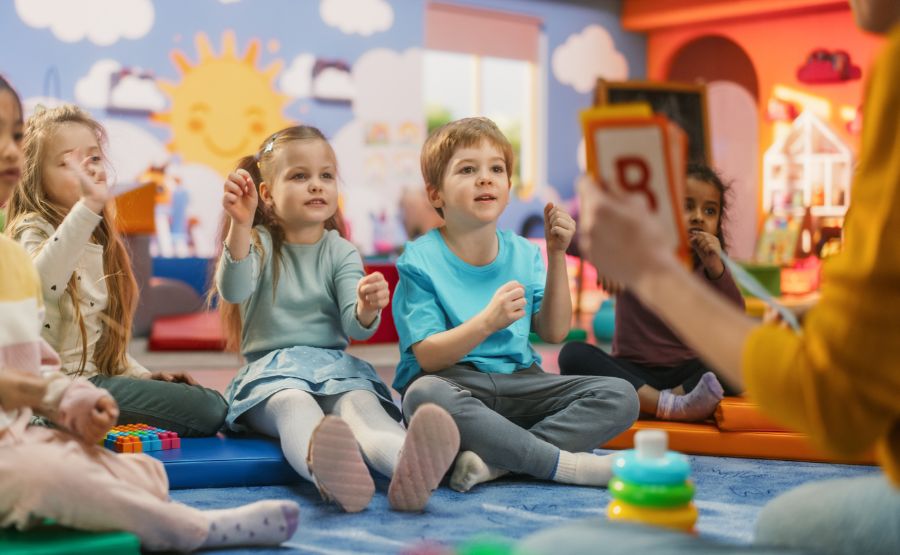
Moving from nursery to kindergarten represents an important step in early childhood education. Children begin encountering new routines, more complex activities, and increasing opportunities for independence.
A supportive nursery school experience helps prepare children for these changes by strengthening communication, emotional awareness, social confidence, and foundational learning abilities.
Rather than concentrating only on academic preparation, nursery education should support the whole child.
Understanding Kindergarten Readiness
Kindergarten readiness involves a combination of developmental abilities.
Children benefit from being able to communicate basic needs, participate in group activities, follow familiar routines, and approach new experiences with growing confidence.
However, readiness does not mean every child must demonstrate identical skills.
Recognizing Individual Development
Children develop at different rates.
Some may communicate confidently but need additional support with group routines.
Others may enjoy independent tasks while gradually developing social confidence.
A thoughtful educational environment recognizes these differences and provides appropriate guidance.
Strengthening Communication Before Kindergarten
Communication plays a central role in helping children participate comfortably in classroom activities.
Nursery experiences introduce opportunities to listen, ask questions, describe observations, and interact with others.
Building Vocabulary Through Conversation
Everyday conversations help children develop language awareness.
Educators can introduce new vocabulary through stories, songs, picture discussions, and practical activities.
Children also benefit from opportunities to explain their ideas in their own words.
These experiences strengthen expressive language and listening skills.
Developing Early Learning Foundations
Kindergarten preparation does not require excessive worksheets or memorization.
Children can develop foundational concepts through interactive activities.
Early Literacy Awareness
Recognizing familiar sounds, exploring picture books, and participating in rhymes can support early literacy development.
Storytelling also strengthens imagination, comprehension, and memory.
Early Numeracy Skills
Counting objects, comparing sizes, identifying patterns, and sorting shapes introduce mathematical thinking.
Hands-on activities help children connect abstract ideas with familiar experiences.
Encouraging Independence in Daily Activities
As children grow, they become increasingly interested in managing simple responsibilities.
Nursery education can support this motivation through practical experiences.
Children may practice organizing belongings, selecting activities, and following familiar routines.
Why Small Responsibilities Matter
A sensation of accomplishment is produced by doing doable activities.
These experiences also help children understand expectations and develop confidence.
Educators should provide assistance when needed while allowing children opportunities to try independently.
Preparing Children for Group Learning
Kindergarten introduces more opportunities for shared activities and classroom participation.
Nursery experiences can help children become comfortable working alongside others.
Group games, music sessions, and collaborative projects encourage cooperation.
Children gradually practice listening, sharing, and respecting personal boundaries.
Supporting Positive Peer Relationships
Friendships contribute to emotional well-being.
Educators can encourage respectful communication and guide children through disagreements.
Learning to understand different perspectives supports social development.
Managing the Emotional Transition
Moving to a new classroom can create excitement and uncertainty.
Children may need reassurance as they become familiar with different educators, classmates, and routines.
Parents can help by discussing upcoming changes positively and maintaining predictable routines at home.
Creating Consistency Between Home and School
Regular communication between parents and educators helps identify areas where children may need additional encouragement.
Families considering nursery learning opportunities in Sholinganallur should ask how developmental progress is observed and how transitions to the next learning stage are supported.
A collaborative approach can make educational changes feel more manageable.
Conclusion
A nurturing nursery school experience creates an important foundation for kindergarten readiness.
By supporting communication, independence, social relationships, emotional confidence, and early learning abilities, nursery education helps children approach new experiences positively.
The goal is not to rush children toward academic milestones but to prepare them for future learning with curiosity, confidence, and a genuine enthusiasm for discovery.