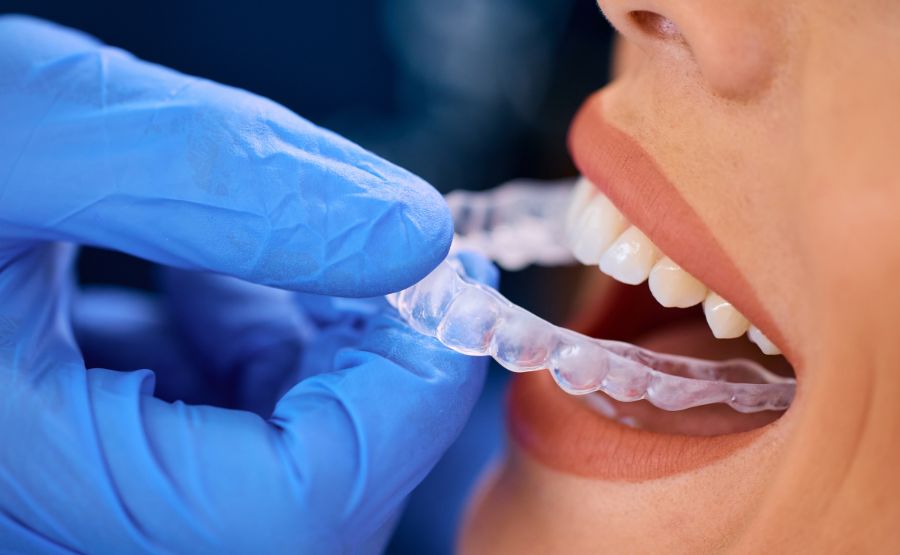
A straighter smile can improve your confidence, make oral hygiene easier, and support long-term dental health. However, before beginning orthodontic treatment, many people want to understand the factors that influence Invisalign cost.
Clear aligner treatment offers a discreet and convenient approach to correcting misaligned teeth. Unlike traditional braces, removable aligners allow patients to maintain their usual eating and brushing routines. Understanding how treatment complexity, duration, and individual dental needs affect invisalign cost can help you make an informed decision.
Understanding Invisalign Cost and Treatment Planning
Every smile is different, which means orthodontic treatment cannot follow a universal approach. Some individuals require minor adjustments, while others need extensive tooth movement.
The Invisalign cost generally depends on the complexity of alignment problems, the number of aligners required, and the overall treatment timeline.
An orthodontic assessment helps determine the most appropriate treatment plan. During this evaluation, dental professionals examine tooth positioning, bite alignment, and oral health before recommending a suitable approach.
Key Factors That Influence Invisalign Cost
1. Complexity of Dental Alignment
The severity of misalignment plays a major role in determining Invisalign cost.
Minor spacing problems or slightly crooked teeth may require fewer aligners. More complicated conditions, including significant crowding, overbites, underbites, or crossbites, often demand additional planning and longer treatment.
Each case requires careful evaluation to achieve predictable results.
2. Duration of Orthodontic Treatment
Treatment duration directly influences Invisalign cost because longer treatment plans may require more aligners and monitoring appointments.
Some patients complete their alignment journey relatively quickly, while others need extended treatment.
Consistently wearing aligners according to professional instructions helps maintain progress and reduces the likelihood of unnecessary delays.
3. Number of Aligners Required
Clear aligners gradually reposition teeth through a sequence of controlled movements.
Patients with relatively straightforward alignment concerns generally need fewer aligners than individuals with complex orthodontic conditions.
Since each aligner contributes to the overall treatment process, the total number required can affect Invisalign cost.
4. Additional Orthodontic Adjustments
Some individuals need refinements to achieve their desired alignment.
These adjustments may involve additional aligners, attachments, or modifications to the original treatment plan.
Whether such refinements affect Invisalign cost depends on the treatment arrangement and what is included in the initial plan.
How to Prepare for Clear Aligner Treatment
Preparing properly for orthodontic treatment can improve your overall experience.
Maintain Excellent Oral Hygiene
Healthy teeth and gums provide a strong foundation for successful orthodontic care.
Brush twice daily, floss regularly, and attend routine dental examinations.
Follow Recommended Wearing Instructions
Clear aligners generally need to be worn for approximately 20–22 hours daily, unless your dental professional recommends otherwise.
Removing aligners frequently or wearing them inconsistently may slow tooth movement.
Attend Scheduled Dental Appointments
Regular monitoring allows dental professionals to evaluate progress and identify potential complications.
These appointments also help ensure your teeth move according to the planned sequence.
Is Invisalign Cost Worth Considering for Long-Term Benefits?
When evaluating Invisalign cost, it is important to look beyond the initial treatment commitment.
Properly aligned teeth can be easier to clean, potentially reducing areas where plaque accumulates. Improved bite alignment may also support more comfortable chewing and better distribution of biting forces.
However, these benefits depend on individual dental conditions, and clear aligners are not suitable for every orthodontic problem.
Treatment success also requires long-term commitment. After completing orthodontic treatment, patients typically need retainers to maintain their new tooth positions.
Questions to Ask During Your Consultation
Before beginning treatment, discuss the expected duration, necessary aligners, possible refinements, and retention requirements.
You should also ask what the treatment plan includes and whether additional appointments or adjustments may be necessary.
A professional assessment through a local dental consultation can help clarify your orthodontic needs and available treatment options.
Conclusion
Understanding Invisalign cost involves considering several important factors, including treatment complexity, duration, aligner requirements, and additional adjustments.
Rather than focusing exclusively on the initial commitment, consider the potential benefits of improved alignment, easier oral hygiene, and long-term dental stability.
With professional guidance, realistic expectations, and consistent aligner use, you can make a confident decision about your orthodontic journey.