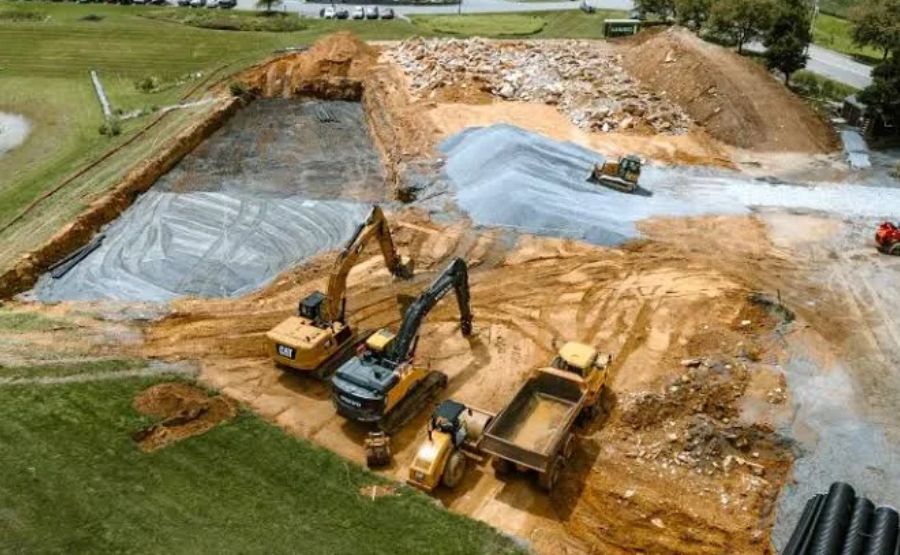
Every successful construction project begins with a stable foundation, and that foundation often depends on careful excavation. Whether preparing land for a new structure, improving drainage, or installing underground infrastructure, groundwork requires accurate planning and appropriate equipment.
Searching for excavation services near me is often the first step toward understanding the available options. However, choosing a suitable excavation approach involves more than identifying someone who can move soil.
Site conditions, project requirements, safety procedures, and drainage considerations all influence the outcome.
Start by Understanding Your Excavation Requirements
Before arranging excavation work, define the purpose and scope of the project.
A small drainage trench requires a different approach from foundation preparation or large-scale land clearing.
Knowing the intended result helps determine the equipment, planning, and site preparation required.
Residential Excavation Projects
Residential groundwork may involve preparing building foundations, creating drainage routes, reshaping yards, or removing unsuitable soil.
These activities often take place near existing structures, landscaping, and underground utilities.
Limited access can make equipment selection especially important.
Commercial Excavation Projects
Commercial sites may require extensive earthmoving, engineered excavation plans, and coordination with multiple construction activities.
Larger projects also demand careful management of excavated materials, vehicle movement, and surface drainage.
Five Factors to Evaluate Before Excavation Begins
1. Ground Conditions
Soil characteristics influence excavation stability and equipment performance.
Rocky terrain, saturated soil, and compacted material can create different challenges.
Understanding these conditions helps establish realistic construction methods.
2. Underground Infrastructure
Existing utility lines must be identified before ground disturbance begins.
Utility locating and appropriate clearance procedures reduce the risk of damaging buried infrastructure.
3. Equipment Accessibility
Excavation equipment requires sufficient access and stable operating areas.
Narrow driveways, nearby buildings, overhead obstacles, and landscaping features can restrict machinery movement.
4. Drainage Requirements
Excavation can alter natural water movement.
Without suitable drainage planning, completed work may leave surrounding areas vulnerable to pooling or erosion.
5. Site Restoration
Groundwork does not end when excavation reaches the required depth.
Backfilling, compaction, grading, and surface restoration may be necessary before the site is ready for its intended use.
Questions to Ask When Researching Excavation Services Near Me
Clear communication helps establish whether the proposed excavation approach matches the property’s needs.
Useful questions include:
- What site assessments are required before work begins?
- How will underground utilities be identified?
- What excavation methods suit the existing soil conditions?
- How will adjacent buildings and landscaping remain protected?
- What measures will control runoff and erosion?
- How will excavated material be managed?
- What inspections or approvals may be necessary?
These questions help clarify expectations before excavation begins.
Why Excavation Planning Matters
Poorly planned groundwork can create problems that remain hidden until later construction stages.
For example, inadequate soil compaction may lead to settlement beneath paved surfaces. Incorrect excavation elevations can interfere with drainage or foundation preparation.
Likewise, uncontrolled runoff may carry sediment into surrounding areas.
A detailed plan helps coordinate excavation dimensions, material handling, safety precautions, and finishing requirements.
When comparing excavation services near me, property owners should prioritize technical suitability, site safety, and a clear understanding of the proposed work.
Preparing Your Property for Excavation
Property owners can support the planning process by gathering available site drawings, identifying access points, and documenting known drainage concerns.
Existing landscaping, fences, pathways, and nearby structures should be considered before machinery arrives.
It is also important to understand whether permits, utility clearances, or engineering documentation are required.
For additional local context, nearby excavation professionals may help explain the practical considerations associated with different groundwork conditions.
Conclusion
Finding suitable excavation services near me requires evaluating project needs, ground conditions, equipment access, and safety requirements. Thorough preparation helps reduce unexpected complications and supports accurate construction work. By asking informed questions and considering drainage, utilities, and restoration from the beginning, property owners can make better decisions and prepare their land for lasting improvements.