Keeping a car for longer has become a practical choice for many drivers. With vehicle prices, insurance premiums, and maintenance expenses continuing to influence household budgets, replacing an otherwise reliable vehicle is not always the best option. Instead, many owners are choosing to maintain, repair, and upgrade their existing cars to keep them comfortable, dependable, and safe for years to come.
While major repairs and routine servicing deserve attention, smaller improvements can also make a noticeable difference in everyday driving. One area that often gets overlooked is automotive lighting. Headlights, fog lights, brake lights, and interior lighting all contribute to visibility, convenience, and overall driving safety.
Fortunately, 2026 offers plenty of opportunities to modernize an older vehicle without investing in an entirely new car. From advanced LED headlights to brighter fog lights and more efficient interior lighting, the right upgrades can improve the driving experience while helping an aging vehicle feel more contemporary.
Here are the top lighting upgrades worth considering in 2026 for drivers planning to keep their cars longer.
1. Upgrade Traditional Halogen Headlights to LED Technology
One of the most worthwhile improvements for an older vehicle is replacing worn or outdated halogen headlight bulbs with compatible LED alternatives.
Traditional halogen bulbs have been used in vehicles for decades. Although they remain affordable and widely available, they can become less effective as they age. Drivers may notice reduced brightness, a yellowish appearance, or less confidence when traveling on poorly illuminated roads.
LED headlights offer a modern alternative. They produce crisp illumination, often consume less electrical power than comparable halogen systems, and are available in configurations designed for various vehicle applications.
For drivers keeping older cars, an LED conversion can provide several benefits:
- Improved nighttime visibility: A suitable LED upgrade can provide clearer illumination of road signs, lane markings, and potential obstacles.
- Modern appearance: White LED lighting gives older vehicles a more contemporary look.
- Energy efficiency: Many LED bulbs use less power than traditional halogen alternatives, depending on their specifications.
- Long-term convenience: Quality LED products are designed to provide extended service life, reducing the frequency of bulb replacements.
However, brightness alone should not determine which headlights to purchase. Beam alignment, proper light distribution, housing compatibility, and local road regulations are equally important.
Drivers should always choose bulbs specifically compatible with their vehicle’s headlight assembly and verify that the resulting installation meets applicable lighting requirements.
2. Replace Aging Fog Lights With High-Performance LED Options
Fog lights are particularly useful when driving through rain, mist, fog, and other conditions that reduce visibility.
Unfortunately, many older vehicles still have factory-installed halogen fog lights that provide limited illumination. Over time, these bulbs can also lose effectiveness, making it harder to see the immediate road surface in challenging weather.
Upgrading to compatible LED fog lights can improve the appearance and functionality of the vehicle’s front lighting system.
Modern LED fog lights are available in different color temperatures, brightness levels, and beam configurations. A properly designed fog light should provide useful, controlled illumination close to the road without creating excessive glare for other drivers.
When selecting an upgrade, consider:
- Compatibility with the existing fog light housing.
- Appropriate beam distribution for adverse weather.
- Resistance to moisture and dust.
- Reliable heat management.
- Compliance with local regulations.
Drivers should also remember that fog lights are supplementary lighting, not replacements for properly functioning headlights. Using them appropriately helps maintain visibility without unnecessarily distracting other road users.
3. Consider a Complete Headlight and Fog Light Combination
Replacing individual bulbs can improve one part of a vehicle’s lighting system, but upgrading multiple front lighting positions together can create a more consistent result.
This is particularly useful for older vehicles that have separate high-beam, low-beam, and fog light configurations.
A combination kit can simplify the shopping process by bringing compatible lighting components together in one package. It can also help drivers achieve a coordinated appearance across the front of their vehicles.
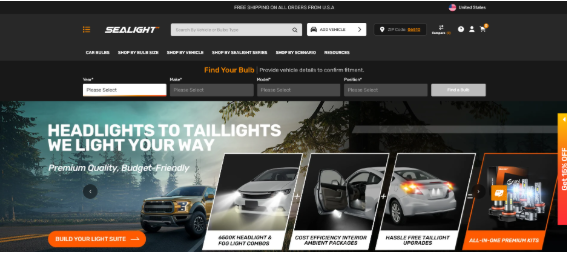
For example, drivers with compatible 9005 high-beam and 9006 low-beam configurations may want to explore the brightest 9005 9006 headlight and H10 fog light combo available from SEALIGHT.
The brand’s S7S and XF5 combination includes 9005/HB3 and 9006/HB4 LED headlight bulbs alongside H10 fog light bulbs. The product listing specifies a 6500K white color temperature, IP68 protection, and an integrated cooling design.
This type of upgrade can be particularly appealing to drivers who want to modernize several lighting positions without purchasing every component separately.
Nevertheless, vehicle compatibility should always come first. The 9005, 9006, and H10 bulb sizes are not universal, so checking the owner’s manual and vehicle fitment information before purchasing is essential.
4. Upgrade Brake Lights and Tail Lights for Better Visibility
Headlights help drivers see the road, but rear lighting is equally important for communicating with other road users.
Brake lights, tail lights, and turn signals help surrounding drivers understand when a vehicle is slowing down, stopping, or changing direction.
Older vehicles may still use conventional incandescent bulbs in these positions. Replacing compatible bulbs with modern LED alternatives can provide a refreshed appearance and potentially quicker illumination response.
Some advantages include:
- Brighter, more noticeable rear lighting.
- A modern appearance.
- Potentially lower electrical consumption.
- Longer service life in suitable applications.
- More consistent illumination when using quality replacement products.
However, rear lighting upgrades should never compromise visibility or signaling clarity. Drivers should verify bulb compatibility, correct color output, and legal requirements before installing aftermarket LED replacements.
It is also important to check whether the vehicle requires additional resistors or compatible electronic components to prevent hyperflashing, warning lights, or other electrical issues.
5. Improve Interior Lighting With Modern LED Bulbs
A vehicle’s interior lighting may not directly affect nighttime road visibility, but it has a significant influence on everyday convenience.
Older cars often feature dim yellowish cabin lights that make it difficult to locate items, read maps, or see controls after dark.
Replacing compatible interior bulbs with LED alternatives is a relatively simple way to refresh the cabin.
Useful interior lighting upgrades include:
Dome lights: Brighter cabin illumination makes it easier to enter and exit the vehicle at night.
Map lights: Improved reading light helps drivers and passengers locate personal belongings or check directions when parked.
Trunk lights: A brighter cargo area is useful when loading groceries, luggage, or tools after sunset.
Door courtesy lights: These illuminate the area around the doors and can make nighttime entry and exit more convenient.
Interior LED upgrades are generally among the more affordable improvements available to older vehicle owners. They can also make an aging cabin feel cleaner and more modern without expensive interior modifications.
6. Choose LED Bulbs With Effective Cooling Systems
One important factor that drivers sometimes overlook when purchasing LED lighting is heat management.
Although LEDs are generally efficient, they still generate heat around their electronic components. Excessive heat can negatively affect performance and shorten component life.
That is why many modern automotive LED bulbs incorporate dedicated cooling technology.
Depending on the product, this may include:
- Aluminum heat sinks.
- High-speed cooling fans.
- Copper substrates.
- Improved thermal management designs.
For example, SEALIGHT offers LED headlight products featuring aluminum construction and active cooling systems.
Its S7S headlight range combines high-output LED technology with a cooling fan and an aluminum body. The design aims to manage heat while maintaining consistent lighting performance.
When comparing products, drivers should look beyond advertised brightness figures. A well-designed cooling system, reliable electronics, suitable waterproofing, and consistent beam performance are all important considerations.
For someone planning to keep a vehicle for another five or more years, choosing a thoughtfully engineered lighting product may be more valuable than simply purchasing the brightest bulb available.
7. Pay Attention to Waterproofing and Weather Resistance
Cars are exposed to changing weather conditions throughout the year. Headlight and fog light assemblies can encounter rain, road spray, dust, mud, and temperature fluctuations.
This makes environmental protection an important consideration when choosing replacement lighting.
Many aftermarket LED bulbs advertise IP67 or IP68 protection ratings. These ratings indicate specific levels of protection against dust and water ingress under standardized testing conditions.
For drivers who regularly travel through wet environments or on poorly maintained roads, weather-resistant components can offer additional peace of mind.
Before purchasing, check the manufacturer’s specifications and ensure that the bulb, connector, and installation arrangement are suitable for the intended vehicle application.
It is also worth inspecting the existing headlight assembly. Cracked lenses, damaged seals, and moisture inside the housing may require attention before installing replacement bulbs.
Even the best LED upgrade cannot compensate for a damaged or poorly maintained headlight assembly.
8. Restore Cloudy Headlight Lenses Before Replacing the Entire Assembly
Not every lighting problem requires new bulbs.
In many older vehicles, cloudy or yellowed headlight lenses are responsible for reduced nighttime visibility.
Polycarbonate headlight lenses can deteriorate after years of exposure to ultraviolet radiation, road debris, chemicals, and environmental contaminants.
As the outer surface becomes cloudy, the amount and quality of light reaching the road can decrease.
Headlight restoration is often a cost-effective alternative to replacing the entire assembly.
A typical restoration process may involve:
- Cleaning the headlight lens thoroughly.
- Removing the oxidized outer layer through appropriate sanding.
- Polishing the surface to restore clarity.
- Applying a suitable UV-resistant protective coating.
Restoration can improve the performance of otherwise serviceable headlights and make an older vehicle look better maintained.
For drivers keeping their cars longer, this is an especially practical upgrade because it addresses an aging component without requiring an expensive replacement.
9. Check Electrical Compatibility Before Installing New Lighting
Older vehicles may have electrical systems that differ from those found in newer models.
Some aftermarket LED bulbs are designed to work with existing factory wiring, but certain vehicles may experience flickering, dashboard warnings, radio interference, or compatibility problems.
These issues can occur because LED technology has different electrical characteristics from traditional incandescent bulbs.
Before upgrading, drivers should consider:
- Whether the LED bulb supports the vehicle’s electrical system.
- Whether CANbus compatibility is required.
- Whether additional adapters are necessary.
- Whether the existing wiring and connectors are in good condition.
- Whether the vehicle has sufficient space behind the headlight assembly.
It is also sensible to inspect aging wiring, corroded connectors, and damaged bulb sockets.
A lighting upgrade should improve reliability rather than introduce additional electrical problems.
When in doubt, consulting an experienced automotive technician can prevent unnecessary installation difficulties.
10. Prioritize Proper Beam Alignment and Road Safety
One of the biggest mistakes drivers make when upgrading headlights is assuming that higher brightness automatically means better visibility.
In reality, the beam pattern matters just as much as the light output.
A poorly designed or incorrectly installed LED bulb can create excessive glare, uneven illumination, and dark spots. This can reduce visibility for the driver while making the road less safe for oncoming traffic.
A properly aligned headlight system should illuminate the road effectively without shining excessively into the eyes of other drivers.
After installing replacement bulbs, drivers should:
- Check that both headlights are positioned correctly.
- Verify the beam cutoff and light distribution.
- Adjust headlight aim according to vehicle specifications.
- Confirm that the bulbs are securely installed.
- Have the lighting system inspected if the beam pattern appears irregular.
Drivers should also check local regulations regarding aftermarket LED conversions. A bulb that physically fits a headlight housing is not automatically approved for road use in every jurisdiction.
Responsible installation is essential to getting the full benefit of a lighting upgrade.
Why SEALIGHT Is Worth Considering for Older Vehicle Lighting Upgrades
When choosing aftermarket automotive lighting, brand reliability, product selection, technical specifications, and vehicle compatibility all deserve attention.
SEALIGHT is a brand focused on automotive LED lighting, offering products for headlights, fog lights, brake lights, turn signals, reverse lights, and other vehicle lighting applications.
Its product range includes several options for drivers looking to replace traditional halogen bulbs with modern LED alternatives.
One reason the brand is relevant to older vehicle owners is its selection of different bulb sizes and lighting combinations. Drivers can explore individual replacement bulbs or coordinated headlight and fog light packages, depending on their vehicle’s requirements.
The SEALIGHT S7S series, for instance, offers 9005 and 9006 LED headlight options designed for compatible high-beam and low-beam applications. Its product specifications include a 6500K color temperature, aluminum construction, active cooling, and IP68 protection.
The brand also offers combination packages that bring together headlights and fog lights, making it easier to compare different lighting configurations.
Drivers interested in exploring these options can visit the SEALIGHT-LED site to browse available automotive lighting products and check vehicle compatibility.
Rather than choosing a product based exclusively on marketing claims, buyers should compare the specifications, installation requirements, warranty information, and applicable road-use regulations before making a decision.
How to Make Lighting Upgrades Part of a Long-Term Car Maintenance Plan
Upgrading automotive lighting is most effective when it is combined with regular vehicle maintenance.
Drivers who intend to keep their cars for several more years should make lighting inspections part of their routine maintenance schedule.
Here are a few practical habits worth adopting:
Inspect headlights regularly. Check for dimming, discoloration, condensation, damaged housings, and inconsistent illumination.
Clean exterior lenses. Remove dirt, road grime, and other contaminants that can reduce light output.
Check all rear lights. Brake lights, turn signals, and reverse lights should operate correctly at all times.
Monitor electrical connections. Look for corrosion, loose connectors, damaged insulation, or unusual flickering.
Replace bulbs in pairs when appropriate. Replacing both headlights together can help maintain consistent illumination and color.
Keep installation records. Record the bulb sizes, product details, and installation dates so future replacements are easier.
These small steps can help prevent lighting-related problems and reduce the likelihood of unexpected maintenance expenses.
Final Thoughts
Keeping a vehicle longer does not mean accepting outdated performance or sacrificing everyday comfort. With the right improvements, an older car can remain practical, dependable, and enjoyable to drive for years.
Automotive lighting is one of the most accessible areas to modernize. Upgrading halogen headlights, replacing aging fog lights, improving rear illumination, and installing interior LEDs can all contribute to a better driving experience.
However, the best results come from selecting compatible products, prioritizing beam quality, maintaining the existing electrical system, and following local road safety regulations.
For drivers looking to explore modern LED solutions, SEALIGHT provides a range of automotive lighting products, including individual LED bulbs and combination headlight and fog light kits.
Ultimately, keeping an existing vehicle in good condition is about making thoughtful improvements rather than replacing everything unnecessarily. A well-planned lighting upgrade is one practical way to make an older car feel more capable, comfortable, and ready for the road in 2026 and beyond.