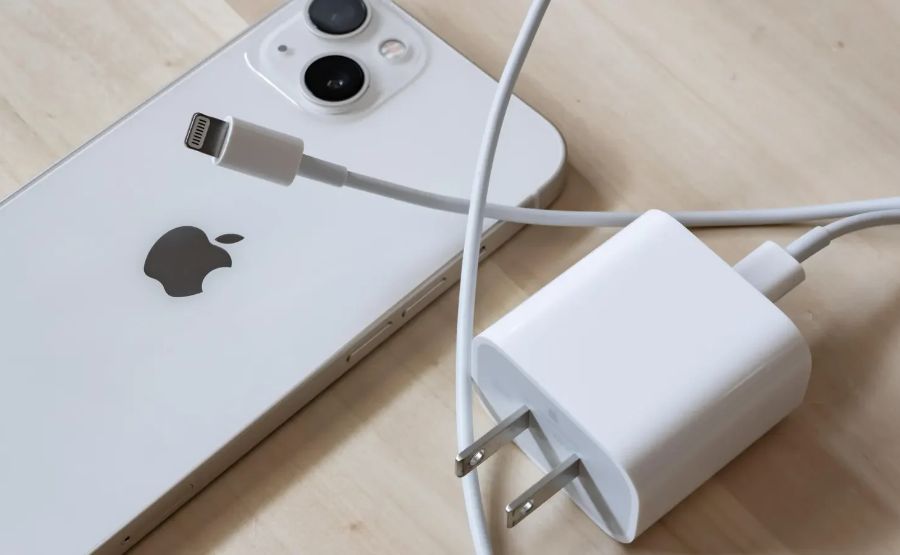
The rules on power packs are stricter than on almost anything else in a bag, and they are written in a unit most people never check. A phone charger can go in the hold without a second thought; a battery of the same size cannot, and the difference has nothing to do with how much the device cost. Knowing the figure on the label beforehand is the whole trick, because it turns a rule that sounds arbitrary into a number you can compare against the airline’s own limit before you leave the house. The difference between a pack that sails through and one that causes a delay is almost never the pack itself, but how easy it is to check.
The Limits That Apply
Watt-Hours, Not Milliamp-Hours
Airlines state their limits in watt-hours, while most packs are sold in milliamp-hours, and the two are not the same thing. The conversion is simple: divide the milliamp-hour figure by a thousand and multiply by the nominal voltage, which is usually 3.7 volts for a lithium cell. A 10,000 mAh pack therefore works out at about 37 Wh, and a 20,000 mAh pack at roughly 74 Wh. Many airlines allow packs up to 100 Wh without asking, permit up to 160 Wh with approval, and refuse anything above that. The figure is often printed in small type next to the capacity, and it is the one worth photographing before a trip. Anything above the threshold needs the airline’s agreement in advance rather than a hopeful expression at the desk.
Cabin Bag, Checked Bag and the Difference
The pack has to travel with you rather than beneath you, and the reason is practical rather than bureaucratic. A lithium cell in a hold that loses pressure and temperature is far harder to reach than one beside your seat, so portable power banks are treated as cabin items almost everywhere. That applies whatever the size, including the small one that lives in a handbag. Putting a pack in checked luggage is one of the few mistakes that can lead to a bag being held back and a conversation at the gate, and it is entirely avoidable. Pack it in the bag that stays with you, and the question disappears.
Getting Through Security
Labels That Can Be Read
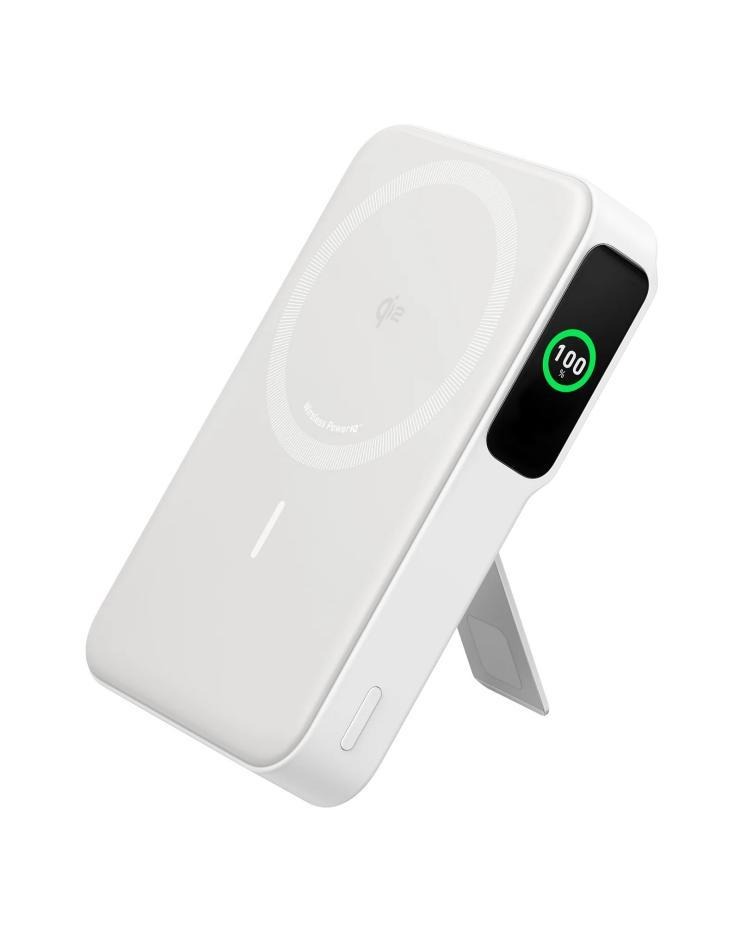
Security staff are looking for a number, and a label that has worn away gives them nothing to check. Packs with the capacity moulded into the casing or printed in durable type pass far more smoothly than those with a sticker that peeled off in a rucksack two years ago. Anker moulds the rating into the shell of its MagGo Power Bank (10K), so the 10,000 mAh figure and the watt-hours beside it remain legible after the surface has been scuffed. If the marking on an older pack has gone, a photograph of the original box or the product page is better than an argument, though it is not a guarantee. A marker pen and a strip of tape are a poor substitute for a moulded label, and staff know the difference.
The Reasons Bags Get Pulled Aside
Most delays come from presentation rather than from the pack itself. A loose pack rolling around a tray looks like an unidentified block on the scanner, and one buried under a coat and three cables takes time to find. Terminals that could touch a key or a coin are a genuine concern, since a short circuit in a bag is exactly the scenario the rules exist to prevent. Keep the pack in a clear pouch, keep the cable attached or beside it, and put it in the tray where it can be seen. Ninety seconds of tidiness saves a secondary search and the queue behind you.
In the Air and at the Gate
Charging at the Gate and on Board
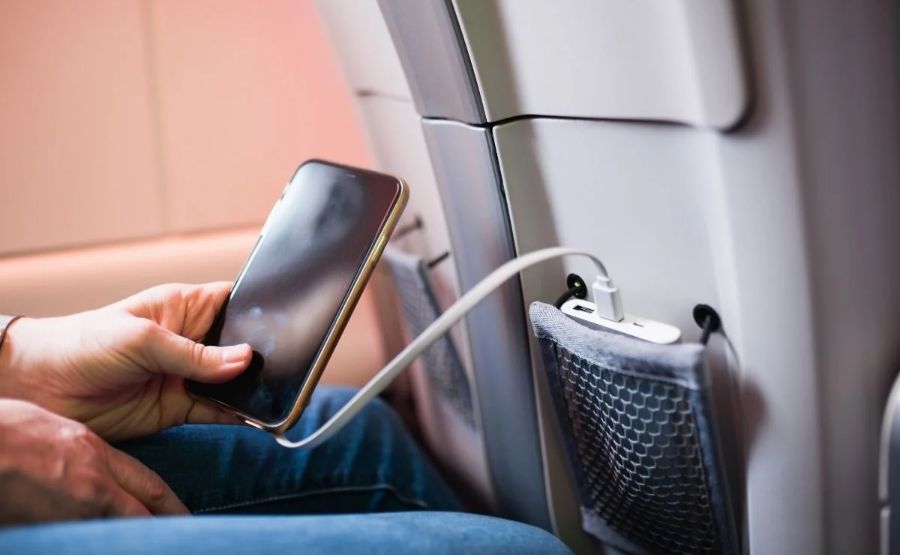
Using a pack on the ground is almost always fine; using one in the air depends on the crew. Some airlines permit it throughout the flight, others ask that it is not used during take-off and landing, and a few prohibit it entirely on the grounds that a battery in use is harder to monitor. The announcement at the start of the flight overrides anything you read beforehand. Charging a phone from a pack at the gate is the safest version of the habit, since it costs nothing and avoids the discussion altogether. When in doubt, ask before plugging in rather than after, and keep the pack visible rather than in the seat pocket where a crew member cannot see what is being used.
Packing and Storing It Well
A pack that travels well is a pack that arrives intact. A soft pouch keeps the casing from being scuffed and the terminals from meeting anything metallic, and a short cable stored with it removes the daily temptation to borrow the long one from the laptop. Keep it out of direct sun on a dashboard or a windowsill, since heat is the one thing that shortens a cell’s life faster than use. And charge it to roughly half before a flight rather than to full, which is gentler on the battery and leaves room for the phone to be topped up on arrival without any worry. A pack at half charge is also the one you can legally carry without a conversation, whatever the airline’s limit happens to be.
Conclusion
Check the watt-hours, keep it in the cabin and protect the terminals; those three habits cover almost every flight, whatever the airline’s briefing says on the day. The rules are strict because the risk is real, but they are also simple once the unit is understood. A pack that travels in the right bag with a legible label rarely causes a problem at all.