Golf is played in a particular kind of environment. Courses are open, exposed landscapes where wind sweeps across fairways and greens. Rounds last several hours, often starting on cool mornings and finishing in late afternoon. Afterwards, players head into clubhouses where traditions and dress codes still shape what people wear.
This combination of outdoor exposure and social tradition makes golf clothing unusual. Players need garments that protect them from wind and changing weather without restricting their swing. They also want clothing that looks appropriate when they move from the eighteenth green to the bar or restaurant. Staff, from course marshals to front-of-house teams, need clothing that suits both settings too.
Two categories of clothing play a central role in this world: light wind-resistant layers for the course and knitwear for the clubhouse and cooler days. This article explores how golf and country clubs, their members and their staff use these garments and why they matter.
Understanding the Golf Environment
Open, Exposed Courses
Golf courses are designed around open space. Links courses near the coast are famously windy, but even inland parkland courses can feel exposed on high ground or open fairways.
Long Rounds and Changing Conditions
A full round can take four hours or more. Over that time, temperatures, wind and cloud cover can shift significantly. Players need clothing they can adjust without interrupting their game.
Freedom of Movement
The golf swing requires a full range of motion through the shoulders, torso and arms. Bulky or stiff garments interfere with technique and comfort.
Tradition and Dress Codes
Many clubs maintain dress codes that require collared shirts, tailored trousers and neat outerwear. These expectations shape what players and staff wear both on the course and in the clubhouse.
How Golfers Experience Course Outerwear
Wind Is the Main Challenge
For many golfers, wind is a bigger issue than cold. A steady breeze affects both comfort and play. Thin, wind-resistant layers have become essential because they block wind without adding bulk.
Swing-Friendly Design
Golf outerwear often features stretch panels, articulated sleeves and shaped backs to allow a full swing. Quiet fabrics that do not rustle during the swing are also appreciated.
Easy On and Off
Players often add or remove layers several times during a round. Half-zip and full-zip designs make this quick.
Packability
Light layers that fold into a golf bag pocket are ideal for unpredictable days.
How Golfers Experience Knitwear
A Classic Part of Golf Style
Knitwear has a long tradition in golf. Sweaters, vests and cardigans have been worn on courses for generations and remain part of the sport’s identity.
Warmth Without Restriction
Fine-knit layers offer warmth while allowing the arms and shoulders to move freely. Many golfers prefer them on cool, still days.
From Course to Clubhouse
Knitwear transitions easily into the clubhouse. A neat knit over a polo looks appropriate in dining rooms and lounges where outerwear may not.
How Club Staff Experience Clothing
Course Staff
Marshals, starters, caddies and greenkeepers spend long hours outdoors. They need wind protection, practical pockets and comfortable layers that reflect the club’s image.
Pro Shop Teams
Pro shop staff often wear the club’s own branded clothing, effectively modeling the range they sell. Their outfits must look polished and current.
Front-of-House and Hospitality Staff
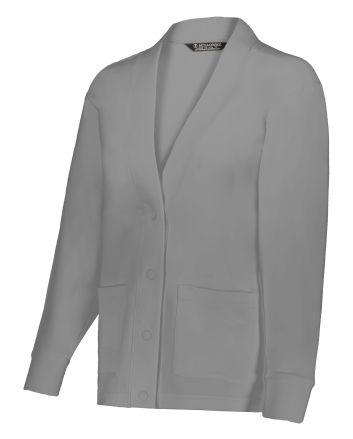
Reception, restaurant and bar staff work indoors but may step onto terraces or greet guests at entrances. Smart knitwear provides warmth while maintaining a professional appearance. Many clubs choose a Cardigans sweater style for reception and hospitality teams in cooler months, as it layers neatly over uniform shirts and suits the traditional clubhouse setting.
Consistency Across Teams
Clubs that coordinate colors and branding across course staff, pro shop teams and hospitality staff present a unified, professional image to members and visitors.
How Clubs Use Branded Outerwear
Member Merchandise
Many clubs sell branded clothing in their pro shops. Members enjoy wearing their club’s logo, both at home and when visiting other courses.
Event and Tournament Apparel
Clubs often provide branded outerwear for competitions, club championships, charity days and corporate golf events. Light wind layers are especially popular because they suit most weather conditions and appeal to a wide range of players.
Sourcing for Pro Shops and Events
Clubs and golf event organizers frequently buy wholesale windbreaker jacket styles in club colors, adding an embroidered crest or event logo. This gives members and participants a practical course layer that they are likely to wear again and again.
Staff Uniform Programs
Branded outerwear and knitwear also form part of staff uniforms, ensuring every team member looks consistent whatever the weather.
How Members Experience Club Clothing
Pride and Belonging
For many members, wearing their club’s logo is a source of pride. It connects them to a community, a course and often years of shared memories. Branded clothing is a visible way to show that connection, both at home and when traveling to play other courses.
Gifts and Occasions
Club clothing is a popular gift for birthdays, holidays and milestones. Members often buy items for partners, children and friends who play, extending the club’s presence beyond its membership.
Expectations of Quality
Members tend to judge club clothing against the standards of the club itself. Garments that pill, fade or lose shape quickly can reflect poorly on the club, while well-made pieces reinforce a sense of quality and care.
Seasonal Rhythms at the Club
Spring
As the playing season begins, wind is often the biggest challenge. Light, packable wind layers are especially useful during early-season rounds.
Summer
Breathable fabrics dominate, but early tee times and evening rounds still call for a light layer that can be removed as the day warms.
Autumn
Cool mornings and shorter days bring knitwear back to the fore, often layered under or over wind-resistant outerwear.
Winter
At clubs that play year-round, warmer layers become essential. Knitwear and insulated outerwear help members and staff stay comfortable on cold days.
Important Elements to Consider
Fabric and Noise
Quiet, soft fabrics are preferred on the course to avoid distracting rustling during swings.
Stretch and Mobility
Garments must move with the body through a full swing.
Weather Resistance
Wind resistance is the priority for course layers, with water resistance useful for light showers.
Dress Code Compatibility
Outerwear and knitwear should meet club standards for neatness and style.
Branding
Embroidered logos look refined and suit the traditional character of most clubs.
Fit Options
Offering men’s, women’s and junior sizes ensures all members and staff are catered for.
Practical Ways for Clubs to Plan Clothing
Coordinate Staff Uniforms
Choose a consistent palette and logo placement across course, shop and hospitality teams.
Stock Seasonal Ranges
Offer light wind layers in spring and autumn, warmer knitwear in cooler months and breathable layers in summer.
Support Events
Plan branded apparel well ahead of major tournaments and club events.
Listen to Members
Ask members which items they would buy and wear. Their preferences can guide pro shop ranges.
Maintain Quality
Members associate the quality of club clothing with the quality of the club itself.
Caring for Club Knitwear and Outerwear
Fine knitwear lasts longer when washed gently, dried flat and stored folded rather than hung. Light wind layers usually tolerate machine washing but benefit from low dryer heat to protect water-repellent finishes. Sharing these tips with staff and including care cards with pro shop purchases helps garments stay looking their best.
Common Mistakes
Choosing Noisy or Stiff Fabrics
These can affect comfort and concentration during play.
Ignoring Women’s and Junior Fits
Limited size ranges exclude parts of the membership.
Overcomplicated Branding
Large or busy logos can feel out of place in a traditional club setting.
Neglecting Hospitality Staff
Front-of-house teams also need suitable layers for cooler days and drafty entrances.
Ordering Too Late for Events
Late orders limit choice and risk delays before tournaments.
Why Course and Clubhouse Clothing Matters
Golf and country clubs depend on atmosphere, tradition and member experience. Clothing plays a quiet but important role in all three. Well-designed wind layers help players enjoy their rounds in challenging conditions. Knitwear connects modern golf with its traditions and moves easily into the clubhouse. Coordinated staff clothing presents a professional, welcoming image.
For clubs, getting clothing right supports member satisfaction, strengthens identity and adds value through pro shop sales and events.
Conclusion
Golf and country clubs sit at the meeting point of outdoor sport and social tradition. On the course, players and staff need light, quiet, wind-resistant layers that move with the swing. In the clubhouse, knitwear provides warmth with a refined, traditional look. Branded outerwear and knitwear also support pro shop sales, events and staff uniforms.
By choosing suitable fabrics, coordinating colors and logos, offering inclusive size ranges and planning seasonal and event apparel carefully, clubs can create a clothing program that serves players, staff and members from the first tee to the final toast in the clubhouse.
FAQs:
Q1:What should golfers wear in windy conditions?
Light, wind-resistant layers with stretch and quiet fabrics are ideal, as they block wind without restricting the swing.
Q2:Why is knitwear popular in golf?
Knitwear offers warmth with freedom of movement and fits golf’s traditional style, moving easily from the course to the clubhouse.
Q3:What should golf club hospitality staff wear in cooler months?
Smart knitwear such as cardigans or sweaters over uniform shirts provides warmth while keeping a professional appearance.
Q4:Do golf clubs sell branded outerwear?
Many do, offering branded wind layers and knitwear in their pro shops and for events and tournaments.